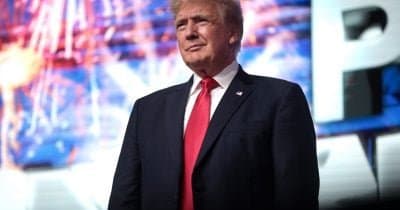
The Trump administration is preparing to introduce a new wave of tariffs affecting dozens of countries, expanding its trade policy which began in early 2025. The previous 10% global baseline tariff, effective since April, served as a starting point for further country-specific rates ranging from 1% up to 50% on various imports.
Details of the Emerging Tariff Measures
Beyond the universal 10% tariff, the administration has implemented levies on at least 69 trading partners, with some nations facing particularly high burdens: Canada at 35%, Brazil up to 50%, and major economies including China, the EU, and India also targeted. Sector-specific tariffs have compounded the impact, with automobiles and parts priced at a 25% tariff and steel and aluminum imports subject to 50%. Of notable concern is a proposed 100% tariff on semiconductors, which could effectively double the cost of these essential components.
Implications for Crypto and Tech Industries
The planned semiconductor levy could hit the US Bitcoin mining industry, the largest globally, where ASIC mining hardware is almost exclusively sourced from Asia. A doubling in semiconductor prices risks shrinking mining profit margins and could drive less efficient operations out of business. This also extends to the AI and cloud computing sectors reliant on GPUs and data center infrastructure; increased hardware costs may slow developments in these areas.
Market Response and Strategic Watchpoints
Since April's tariff baseline, global trade volumes have shown signs of stress. Retaliation from affected countries has led to unpredictable trade dynamics complicating corporate planning. The details expected this week about which countries will face new or increased tariffs, their exact rates, and whether semiconductor tariffs are confirmed will be key in assessing the broader economic and crypto market impact.
This material is for informational purposes only and does not constitute financial advice.