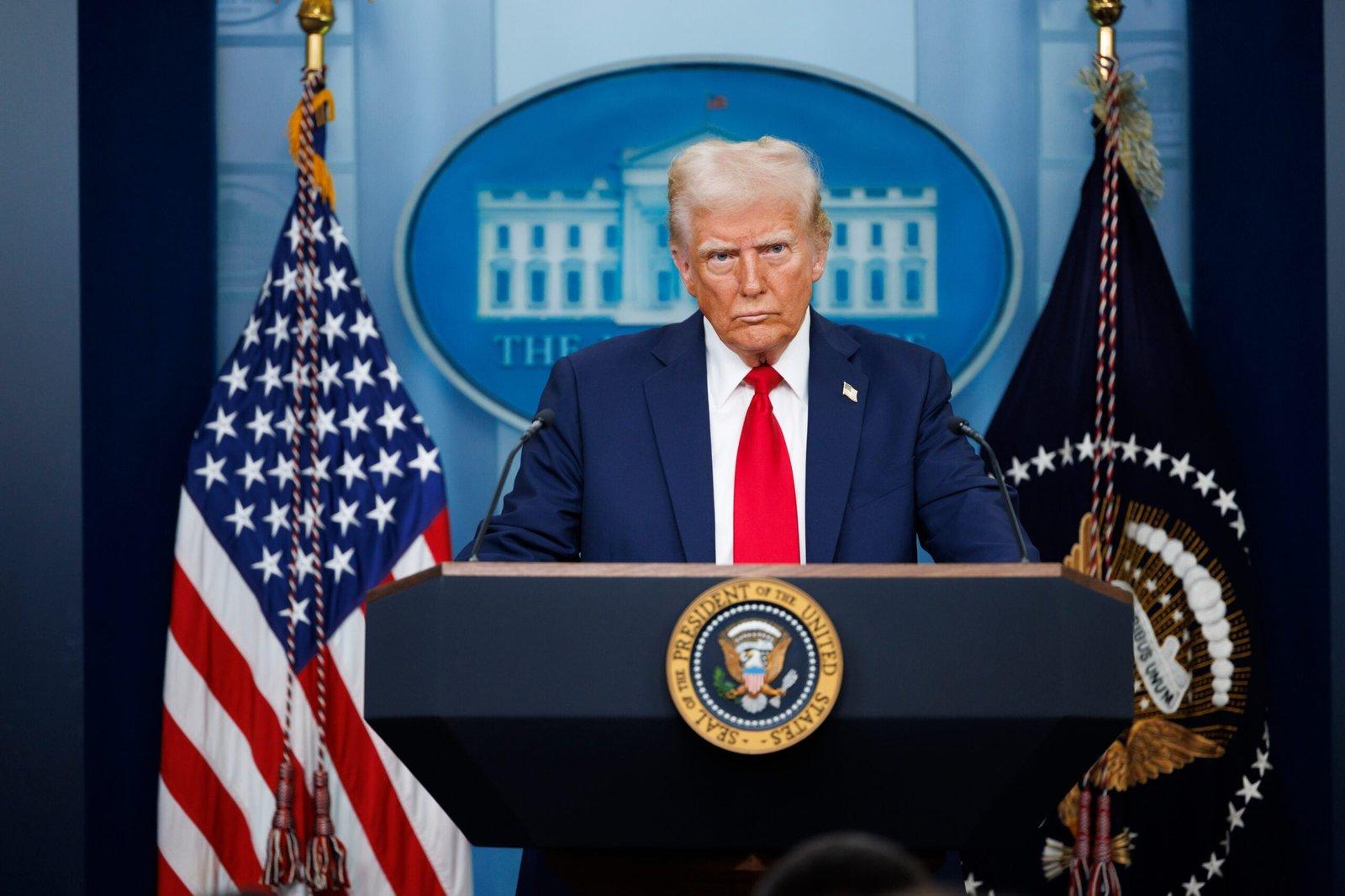
US stock futures plummeted sharply following President Donald Trump’s statement declaring the end of the ceasefire with Iran during a NATO summit in Ankara. The Dow Jones futures saw a loss of over 500 points, representing approximately a 1% decrease, alongside declines in the S&P 500 and Nasdaq 100 futures.
Trump's remarks, in which he expressed a diminishing willingness to engage with Iran, coincided with U.S. military actions against Iranian targets, escalating tensions in the region. This declaration, stating, 'To me, I think it’s over. I don’t want to deal with them anymore,' has heightened market volatility.
Significance of the Ceasefire Commentary
The implications of Trump’s announcement are far-reaching, especially concerning market reactions and geopolitical stability:
- Dow futures fell by over 500 points.
- S&P 500 futures decreased by 0.7%.
- Nasdaq 100 futures dropped by 1.1%.
- Oil prices surged more than 5%, with West Texas Intermediate exceeding $74 a barrel.
- Brent crude climbed to nearly $78 a barrel.
The U.S. Treasury's decision to revoke Iran’s export license earlier had already spurred an uptick in oil prices. Energy stocks experienced a brief uptick, reflecting these higher oil prices, although the overall market trend remained negative. The performance of major indexes was already declining prior to Trump’s latest comments.
Market Reactions in Asia
Asian markets reacted strongly to the developments. South Korea’s KOSPI index reported a steep fall of 5.4%, largely due to declines in memory chip manufacturers including SK Hynix and Samsung. As a region heavily reliant on energy imports, Asia is particularly susceptible to rising oil costs, making this situation even more precarious.
Analyst Jim Reid from Deutsche Bank noted that these events have reignited concerns about energy supplies and the associated geopolitical risks.
Upcoming Economic Indicators
Amidst these geopolitical tensions, market participants are also focusing on the upcoming release of the Federal Reserve’s minutes from the June meeting, scheduled for later today. With interest rates having been held steady under new Chair Kevin Warsh, traders are eager for insights into potential future monetary policy directions.
The evolving situation in the Middle East is currently influencing market trends more than domestic economic indicators, with investors keenly observing any developments that may signal a resurgence of diplomatic discussions between the U.S. and Iran.
This material is for informational purposes only and does not constitute financial advice.