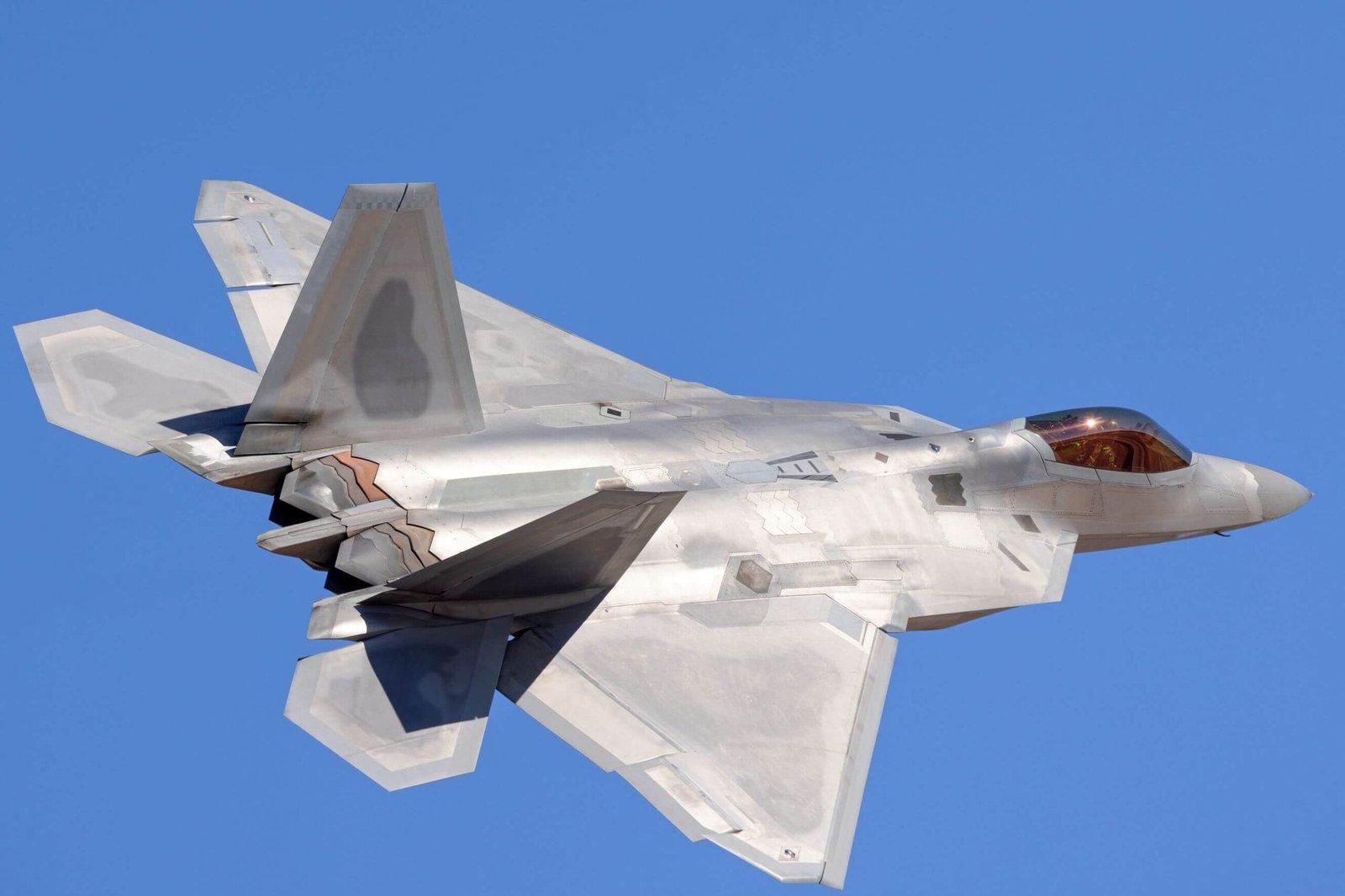
In a significant development at a NATO summit in Ankara, President Trump declared the US-Iran ceasefire "over" on Wednesday, which has led to a notable increase in defense stocks while broader market indices experienced declines. Following this announcement, US military forces struck over 80 targets in Iran, escalating tensions in the region and contributing to rising oil prices.
Understanding the Market Response
Trump's remarks have triggered a mixed reaction in the financial markets. Defense giants Northrop Grumman and Lockheed Martin saw their shares rise by 1.2% and 0.9%, respectively, in early trading, while General Dynamics also posted a modest gain of 0.3%. In contrast, smaller defense firms exhibited mixed performances, with AeroVironment up by 0.8% and Kratos Defense down by 0.4%. Despite today’s gains, the long-term outlook remains uncertain as both Northrop Grumman and Lockheed Martin stocks had previously declined by 19% and 24%, respectively, amid the ongoing conflict.
- Northrop Grumman shares +1.2%
- Lockheed Martin shares +0.9%
- Oil prices: WTI above $74 a barrel, up over 5%
Broader Market Dynamics
While defense stocks gained, overall market indices fell significantly. The S&P 500 and Dow futures decreased approximately 0.9% and 1.1% respectively, responding to the geopolitical escalation. This downward pressure on the stock market comes after a challenging week, highlighting investors' concerns over the impact of the conflict on defense spending and potential political changes in the upcoming midterms.
Additionally, the Treasury Department revoked a license permitting Iran to export oil, further exacerbating fears of supply disruptions in the oil markets. As a result, West Texas Intermediate crude oil soared above $74 a barrel, reflecting a gain of over 5% for the day, while Brent crude reached around $78.
What to Watch Next
In the coming days, market participants will closely monitor the Federal Reserve, as the minutes from its latest meeting are expected to provide insights into future interest rate movements. The intersection of geopolitical tensions and monetary policy will be pivotal for investors navigating through these turbulent times.
This material is for informational purposes only and is not financial advice.