President Trump quickly scrapped a proposal for a 20% toll on all cargo passing through the Strait of Hormuz within just 26 hours of its announcement. This idea was intended to shift some financial burden onto other nations benefiting from U.S. naval protection in this vital shipping channel.
The toll plan received immediate pushback from international maritime authorities, leading to its rapid decline. The International Maritime Organization clarified that there is no legal framework allowing for such tolls, emphasizing the protection of transit rights under international maritime law.
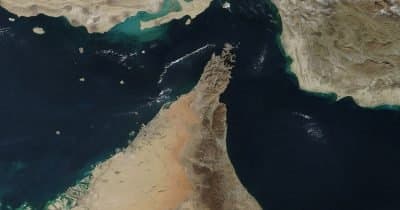
The Strait of Hormuz is crucial for global oil transportation, connecting the Persian Gulf to the Gulf of Oman. Any threat to shipping traffic through this area raises concerns among energy traders and can result in sudden price surges in crude oil.
The proposal emerged amid ongoing military tensions between the U.S. and Iran, including reports of U.S. strikes on Iranian targets and new naval blockades. Nations like Saudi Arabia, the UAE, and Qatar, which rely heavily on uninterrupted movement through the strait for their oil exports, would have been adversely affected by the proposed toll.
Market reactions to any potential disruption in the Strait of Hormuz are swift, with prices of crude oil likely to rise. Even the brief mention of a toll added unnecessary fluctuations to an already volatile energy market. Earlier in 2026, discussions concerning Iran's willingness to accept cryptocurrencies such as Bitcoin and Tether for transit fees were overshadowed by the escalation in military conflicts. Iran's ongoing sanctions create a challenging environment for traditional financial transactions, making crypto a potentially viable alternative for international dealings.
This article is for informational purposes only and does not constitute financial advice.