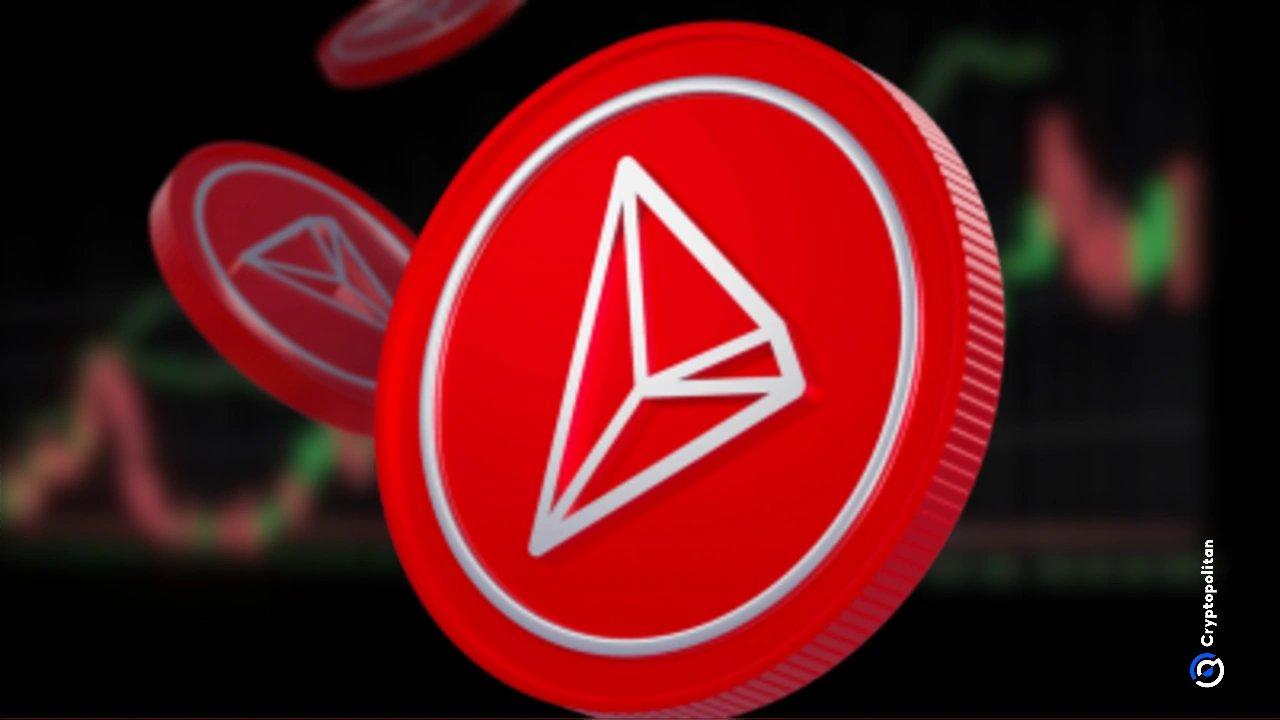
The TRON network has introduced quantum-resistant cryptographic signatures on its Nile testnet, marking a significant advancement in blockchain security. The recent deployment of GreatVoyage-v4.8.2-PQ1-build1 enables the use of two post-quantum signature algorithms that comply with NIST standards: Falcon-512 and ML-DSA-44.
Upgrade Features
This upgrade enhances several critical functionalities, including transaction signing, block production for super representatives, peer-to-peer (P2P) fast-forward node handshakes, and signature verification for TVM contracts. However, it is important to note that the move to the mainnet still requires governance approval.
Timeline and Competition
The expected date for TRON’s mainnet migration is Q3 of 2026. This timeline places TRON among other prominent blockchain platforms such as Ethereum and Solana, which are also working on quantum-readiness in response to the anticipated threats posed by quantum computing technologies.
Network Achievements
In a notable achievement for June, the TRON network recorded a total of 385.77 million transactions and 26.97 million active addresses, both representing all-time highs for the system. Additionally, the circulating supply of USDT on TRON surpassed $86 billion last month, eclipsing amounts from other blockchain networks.
Justin Sun, a key figure associated with the network, emphasized TRON's commitment to becoming the first blockchain resistant to quantum attacks, citing the shift to post-quantum security as a necessary evolution for safeguarding against future decryption risks in the era of artificial intelligence.