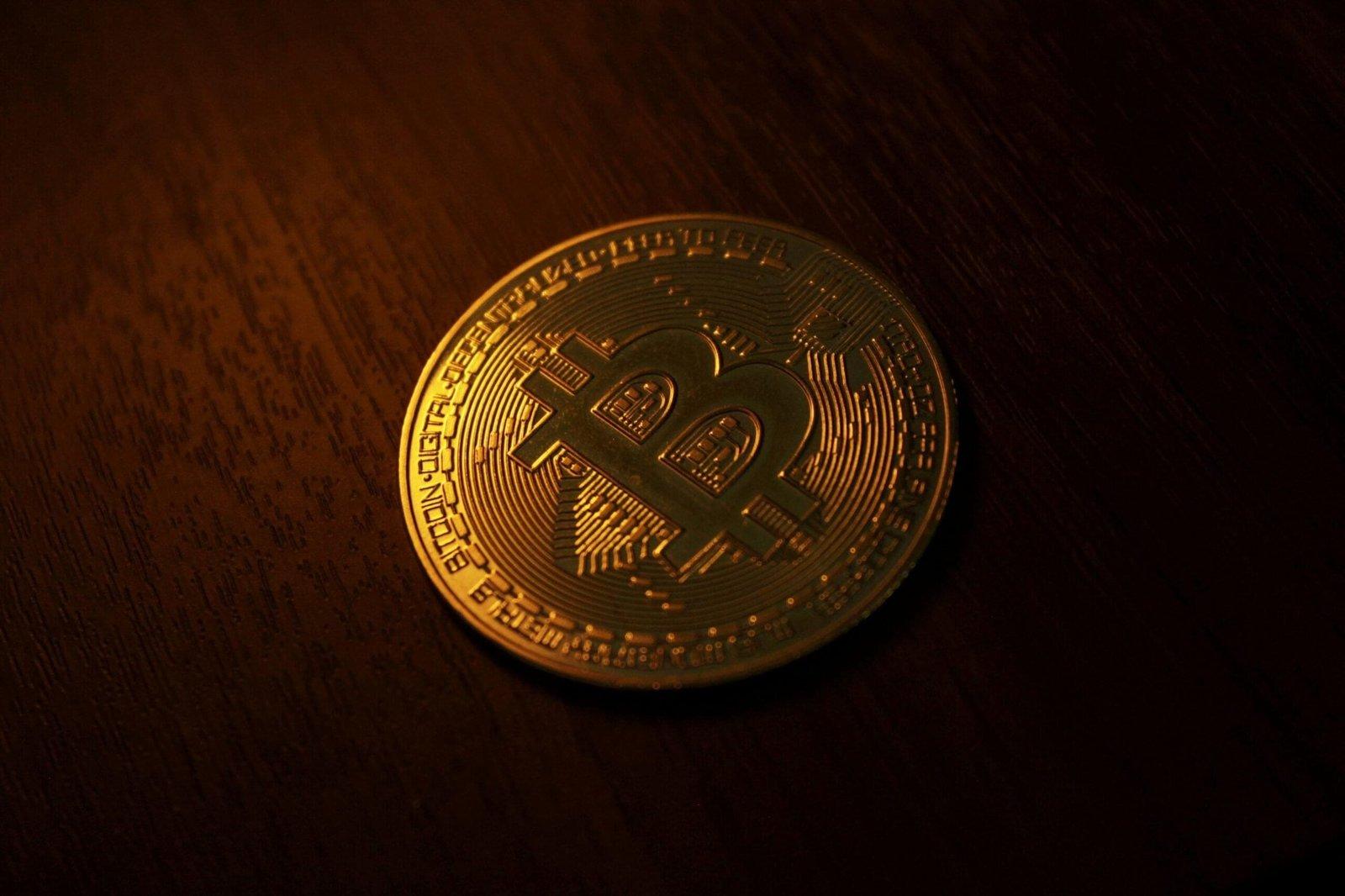
A recent study has evaluated various currencies and assets for their effectiveness in saving over a 55-year period. The research identifies the US dollar as suitable for liquidity, gold for long-term preservation of wealth, and Bitcoin as a high-risk investment opportunity.
The study highlighted the Swiss franc as the strongest government-issued currency analyzed. However, it did not consistently outperform US inflation during extended holding periods. In contrast, gold demonstrated a better ability to maintain purchasing power.
Bitcoin, while exhibiting significant price volatility, produced much higher returns in its shorter history than traditional currencies. From this analysis, savers are encouraged to consider the purpose of their savings, as immediate liquidity needs differ from investments intended to last for several decades.
Methodology of the Research
In conducting the research, seven currencies were analyzed, including the US dollar, euro, British pound, Swiss franc, Singapore dollar, Japanese yen, and Chinese yuan, along with gold and Bitcoin. The latter two are not typical currencies for daily transactions but serve as alternatives to government-issued money.
The research framework examined each asset by answering four practical questions regarding its value retention, usability during crises, potential losses, and whether it could be controlled without reliance on a single institution.
The first of three return tests, initiated in 1971, evaluated the effects of converting $100 in various forms of money until July 2026. By the end of this evaluation, the $100 had to become approximately $815 to match inflation's impact on purchasing power.
This article is for informational purposes only and does not constitute financial advice.