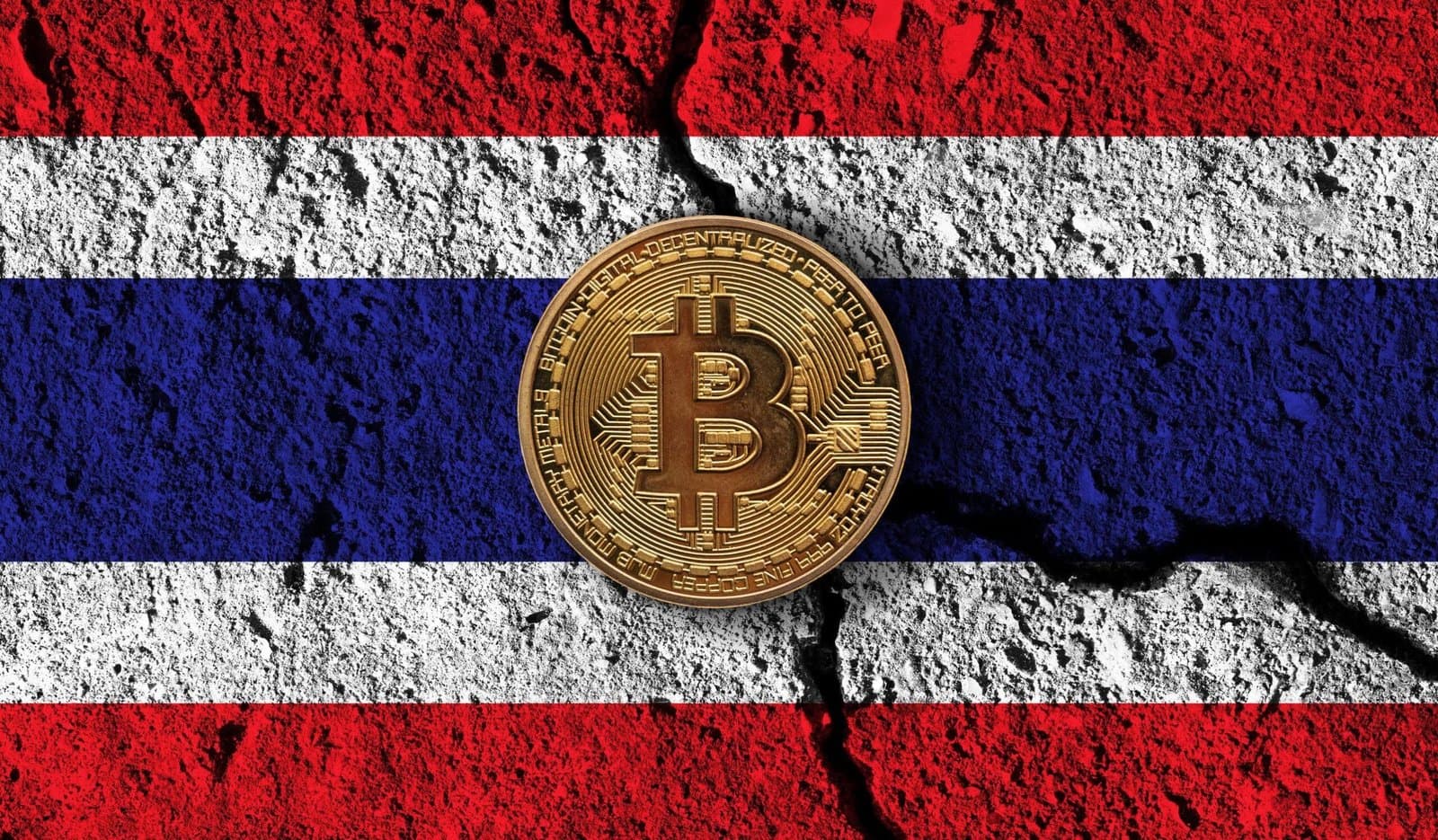
The Bank of Thailand is intensifying its review of stablecoin transactions, particularly high-volume trades of USDT, in response to concerns over illicit financial activities. This initiative aims to target channels that may facilitate money laundering, scams, and corruption within the country's gray economy.
As part of this effort, regulators are examining large cash deposits, currency exchanges, and gold transactions suspected of being linked to suspicious activities. Notably, any cash deposits exceeding five million baht (approximately $150,000) will now require a full disclosure of their source.
Comprehensive Audit Strategy
The audit will be conducted in collaboration with Thailand’s Securities and Exchange Commission, focusing on unusually large transactions within regulated financial networks. Authorities are looking to identify patterns that may connect digital assets with undeclared or criminal funds.
Governor Vitai Ratanakorn emphasized that the measures being implemented are part of a long-term strategy, rather than temporary fixes, indicating a commitment to continuous enforcement across various fronts.
Despite the ongoing scrutiny, cryptocurrency trading remains legal in Thailand; however, the Bank of Thailand has prohibited digital asset payments. The ability of stablecoins to facilitate rapid cross-border transactions has made transaction monitoring a priority for authorities.
Wider Compliance Measures
The Bank of Thailand is also expanding compliance requirements for commercial banks and other regulated financial entities, which will now need to be vigilant regarding cash networks, currency exchanges, and gold bullion trading. Specifically, institutions are tasked with identifying transactions that could potentially support corruption or shadow economic activities.
In light of the reported $3.4 billion in scam losses in 2025, along with 173 million scam-related communications that year, the crackdown on gray money is deemed essential by authorities. Thailand’s largest cryptocurrency exchange, Bitkub, currently records about $26 million in daily trading volume, with foreign exchange transactions representing a significant portion of this activity.
This material is for informational purposes only and should not be considered financial advice.