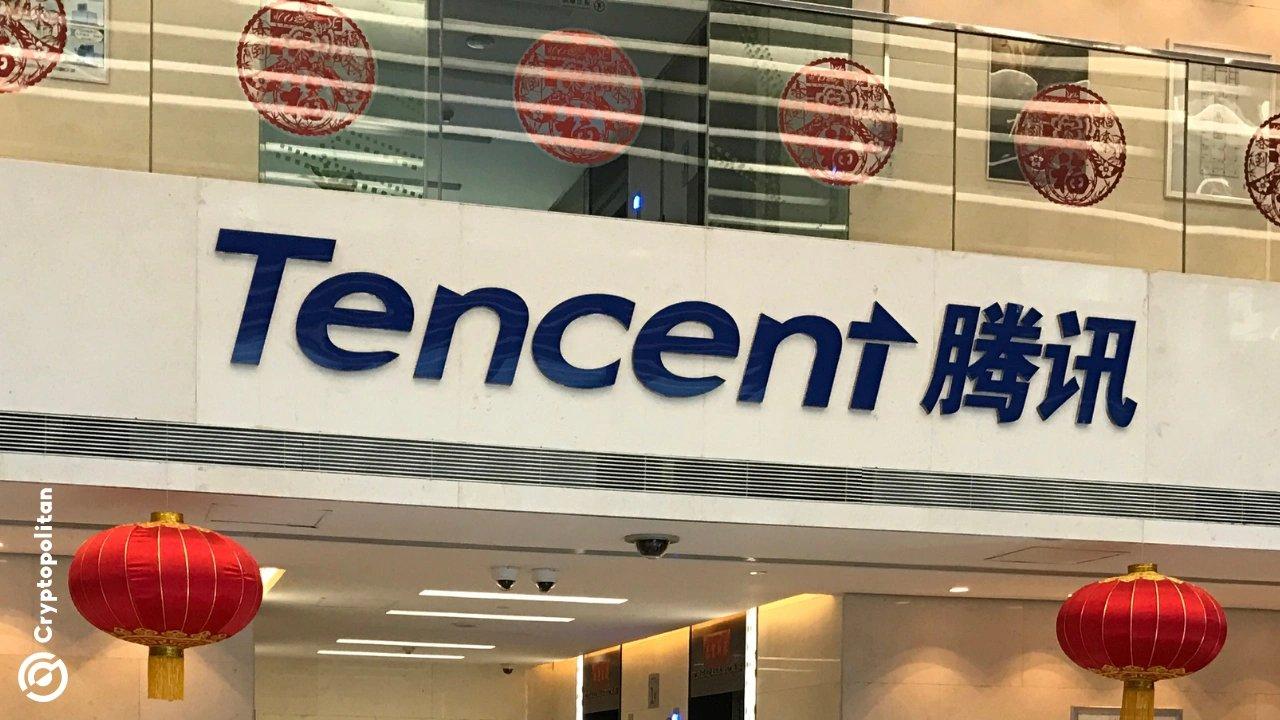
In a significant move, Tencent is set to become the largest shareholder of Manus after China blocked Meta's acquisition attempt. This development follows Meta's $2 billion bid for the AI agent startup, which has now been reversed as per Beijing's directives.
The Financial Times reports that although Tencent will secure the maximum stake in Manus, it will not exceed 50 percent. This arrangement will ensure that Manus retains its independence as a company based in Singapore.
The valuation of Manus is expected to remain at $2 billion, the same figure used during Meta's initial acquisition attempt in December 2025. Current talks involve previous investors such as Tencent, ZhenFund, and HSG, as well as Manus executives. Additional investors may still join before the final agreement is reached.
Background of the Acquisition Attempt
China mandated Meta to reverse its purchase in April 2026, citing violations of local investment regulations. Manus co-founders, including Xiao Hong, were summoned to Beijing and were restricted from leaving the country. Chinese officials had referred to the deal as a “conspiratorial” maneuver to deprive the nation of its technological assets.
Originally established in China, Manus had shifted its headquarters and essential engineering team to Singapore just months before Meta's acquisition. Following the purchase, Meta integrated Manus into its broader ecosystem, which involved connecting Manus to its advertising tools and systems.
Implications for Future Investments
In light of China's actions, the separation of Manus from Meta has begun, severing data transfers and operations between the two entities. The legal and financial dissolution of the acquisition is still in progress, which has compelled investors to focus on reviving Manus as the original deal is dismantled.
Moreover, this situation sends a clear message to other Chinese tech founders regarding the complexities of overseas transactions, particularly involving American firms. With China tightening its control over AI technologies, valuable engineering skills, and intellectual property, the landscape for international investments in the tech sector may change dramatically.
This article is for informational purposes only and does not constitute financial advice.