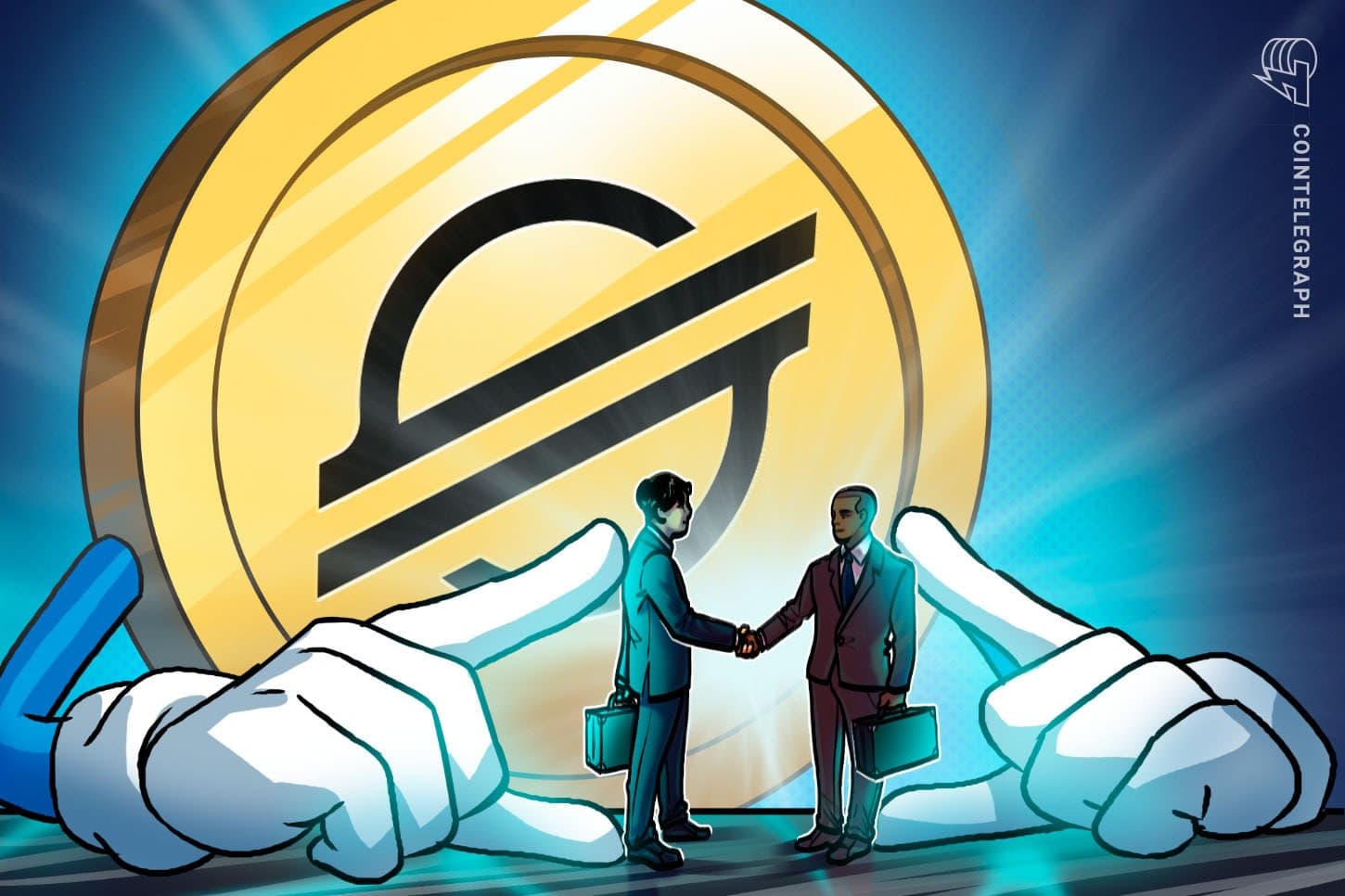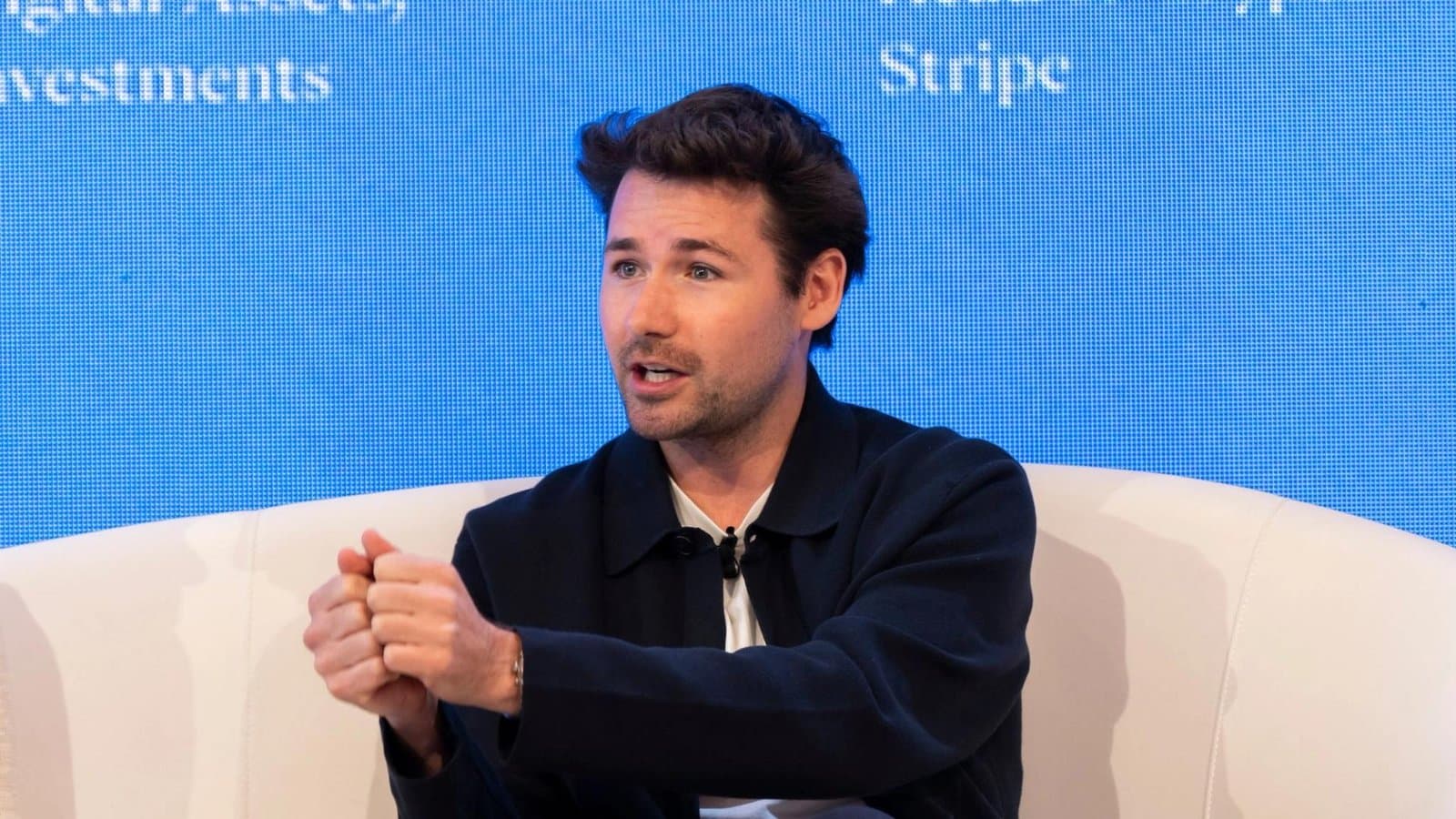
Swift announced plans to expand its blockchain-based settlement network, collaborating with over 40 financial institutions. This move shows a growing competition among established financial players to control the infrastructure supporting digital payments. The announcement comes shortly after Stripe made headlines with a $53 billion unsolicited offer for PayPal, seeking to merge its extensive merchant network with one of the largest consumer wallets globally.
Swift's initiative follows successful pilot projects with 17 global banks, emphasizing its commitment to developing tokenized payment systems. By enhancing its blockchain framework, Swift aims to position itself as a leader in the evolving digital payment landscape. Meanwhile, Stripe's bid for PayPal reflects its strategy to reduce reliance on traditional payment processors like Visa and Mastercard.
Industry analysts indicate that the focus has shifted from merely validating blockchain technology to dominating the distribution channels for these systems. As stablecoins gain traction as a vital part of the payments infrastructure, companies are increasingly keen on owning various layers, including wallets, merchant acceptance, and settlement processes.
Swift connects more than 11,500 financial institutions, facilitating trillions of dollars in cross-border payments. Stripe, on the other hand, processes hundreds of billions in transactions annually for millions of businesses. PayPal, with over 439 million active accounts, processed $1.79 trillion in payments last year. These statistics highlight the distinct roles each entity plays within the global payment ecosystem.
Ilies Larbi, founder and CEO of Ouinex, remarked, "It’s a race to control the next generation of global payment infrastructure." The competition between Swift and Stripe illustrates a significant trend: banks, fintech firms, and payment companies are racing to build the framework for future digital transactions, whether through blockchain mechanisms, stablecoins, or consumer payment solutions.
This material is informational and not financial advice.