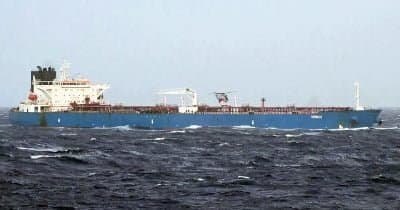
Sweden's Supreme Court cleared the transfer of a seized Russian-linked vessel to Ukraine on August 5, 2026. The Caffa, a Guinea-flagged cargo ship intercepted in Swedish waters back in March, becomes the first shadow fleet vessel a foreign court has authorized to hand over directly to Kyiv rather than simply freeze.
Swedish authorities boarded the Caffa suspecting it carried stolen Ukrainian grain shipped from Crimea. Shadow fleet ships operate under false flags with murky ownership and minimal insurance, designed to slip past sanctions. This ruling breaks new ground. Before now, seized Russian assets got frozen or impounded. Moving one straight to the country harmed by the underlying crime marks a shift from defensive to offensive enforcement.
Sanctions tightening on crypto and shipping
The EU's 21st sanctions package, adopted July 23, hit over 41 shadow fleet vessels, bringing the total past 670 ships. More significantly, the package designated over 100 banking and crypto operators. Regulators now treat crypto the same way they treat banks and shipping firms, as infrastructure in the sanctions machine.
Ukrainian forces struck 201 shadow fleet vessels in July alone during Operation MoLoChKa, roughly six to seven ships daily. The Caffa decision matters because it creates a legal template. Western governments have debated whether to seize frozen Russian central bank reserves, around $300 billion, and redirect them to Ukraine. This ruling, smaller in scale but larger in principle, proves courts will approve actual transfers of seized Russian-linked assets, not just lock them away.
This material is informational only and does not constitute financial or investment advice.