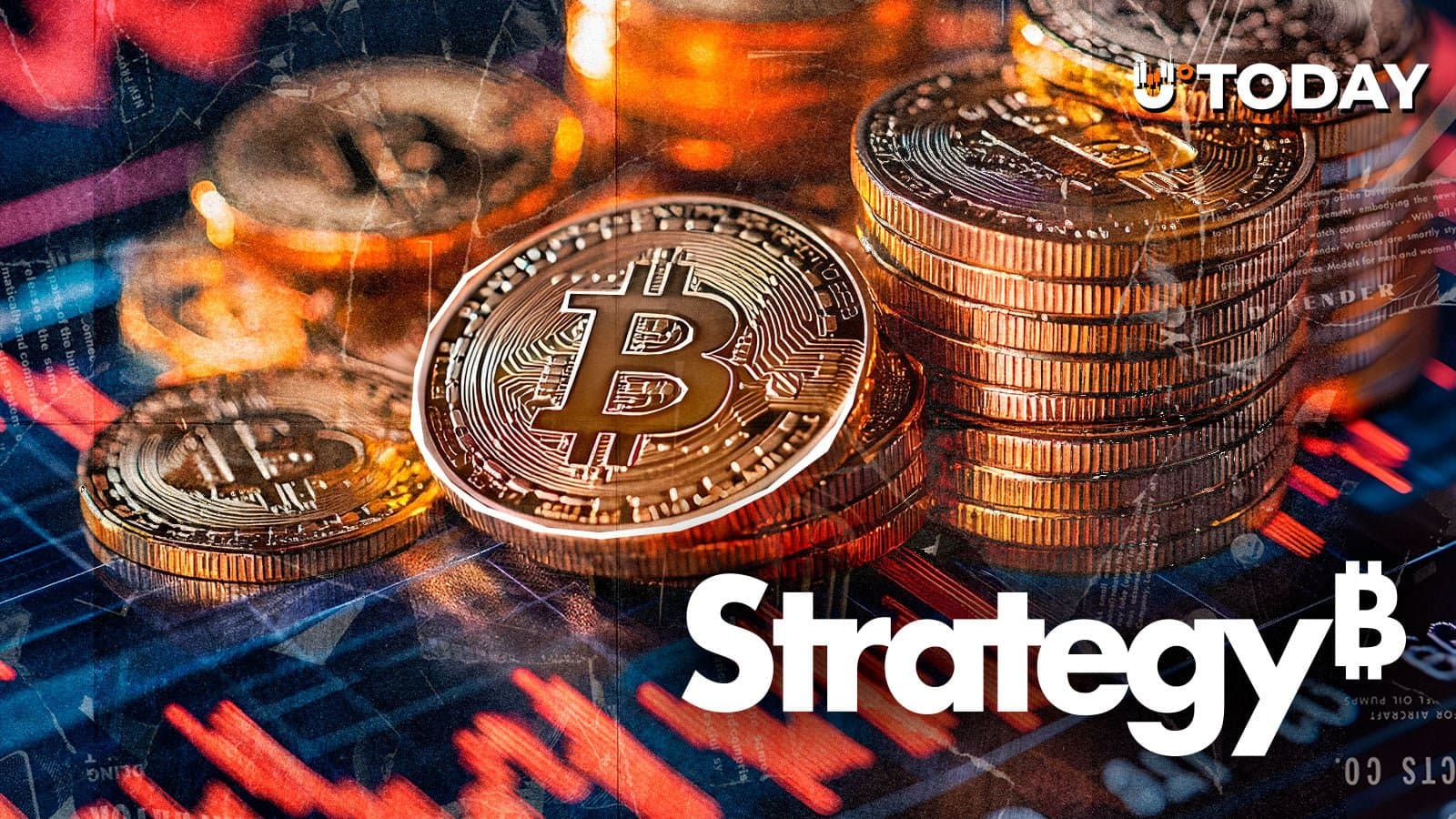
Strategy just sold another 1,637 Bitcoin for $102.3 million. It sounds like a retreat. It's not. The company still holds 842,138 BTC, worth roughly $52.65 billion at current prices, keeping its iron grip on more than 4% of Bitcoin's entire supply.
Michael Saylor framed the move as routine treasury management. The company boosted its USD reserve by $250 million and used part of the proceeds to buy back its own stock, tightening credit metrics and extending cash runway by 57 days. Not a crisis. Not a loss of faith. Just capital allocation.
Why the Sales Keep Happening
Strategy abandoned its "buy-only" mantra earlier this year. In May, it sold 32 BTC to fund preferred stock dividends. Then came a bigger batch in late June and early July, 3,588 coins, to replenish the USD reserve and meet dividend obligations. Now another 1,637. The pattern is clear: every sale ties directly to corporate needs, not market timing or doubt about Bitcoin itself.
The company's balance sheet is pulling double duty. Bitcoin sits as the long-term store of value. Cash covers near-term obligations. When dividends come due or the USD reserve dips, Strategy taps its Bitcoin holdings rather than borrowing or diluting shareholders. It's a choice that only works when you own this much.
The Math Still Favors Staying Put
Even after three separate divestitures in 2026, Strategy controls enough Bitcoin that each sale barely registers. Trimming 1,637 coins from 842,000-plus is a 0.2% reduction. The company's treasury dashboard shows its holdings represent 4.01% of all 21 million Bitcoin that will ever exist. That threshold matters psychologically and legally, signaling no intent to become a casual seller.
Bitcoin itself is flat this week, down roughly 1% over 24 hours. Market watchers haven't flagged Strategy's sales as pressure signals. Institutional Bitcoin holders understand the difference between forced selling and disciplined rebalancing. Strategy is doing the latter.
This article is informational and does not constitute financial advice. Cryptocurrency markets are volatile and subject to regulatory changes. Always conduct your own research before making investment decisions.