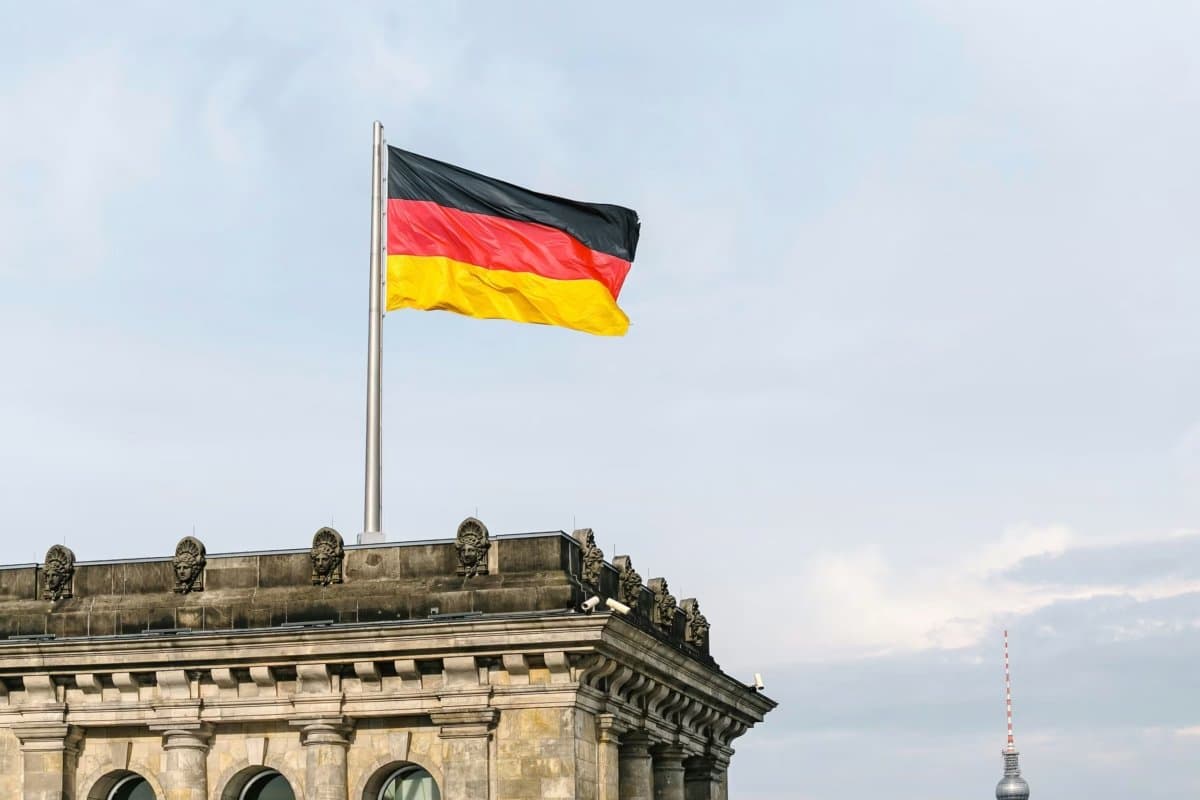
Germany's Sparkassen banking group is set to integrate cryptocurrency trading, reaching over 50 million customers across approximately 370 regional savings banks. This move marks a significant step for traditional banking in the crypto sector, driven by the new Markets in Crypto-Assets (MiCA) regulation.
Expansion of Crypto Services in Traditional Banking
The Sparkassen-Finanzgruppe plans to embed cryptocurrency trading into its existing digital banking infrastructure. This will allow customers to buy and sell prominent digital currencies like Bitcoin and Ethereum directly within their regular banking applications, without needing to transfer funds to external crypto exchanges. The trading service will be facilitated through DekaBank, which already possesses the necessary regulatory approvals for digital asset services.
Unlike many institutions that opt for separate platforms for cryptocurrency trading, Sparkassen is taking a more integrated approach. This strategy is designed to streamline access to cryptocurrencies alongside traditional financial services, enhancing user experience for its vast customer base.
Germany's Leadership in the European Crypto Market
As of now, Germany has 57 MiCA-authorized Crypto-Asset Service Providers (CASPs), the highest number in the European Economic Area. This regulatory clarity is encouraging traditional banks to enter the crypto market, reflecting a growing trend towards regulated financial institutions. Following the end of MiCA's transitional period on July 1, 2026, the European Securities and Markets Authority (ESMA) anticipates that around 280 CASPs will be authorized across Europe, further solidifying Germany's position as a leading regulated crypto market.
In comparison, other countries have fewer authorized CASPs: France has 31 and the Netherlands 26. The transition from fragmented national regulations to a unified European framework enhances investor confidence and encourages more banks to compete with fintech companies and crypto-native exchanges.
This article is for informational purposes only and does not constitute financial advice.