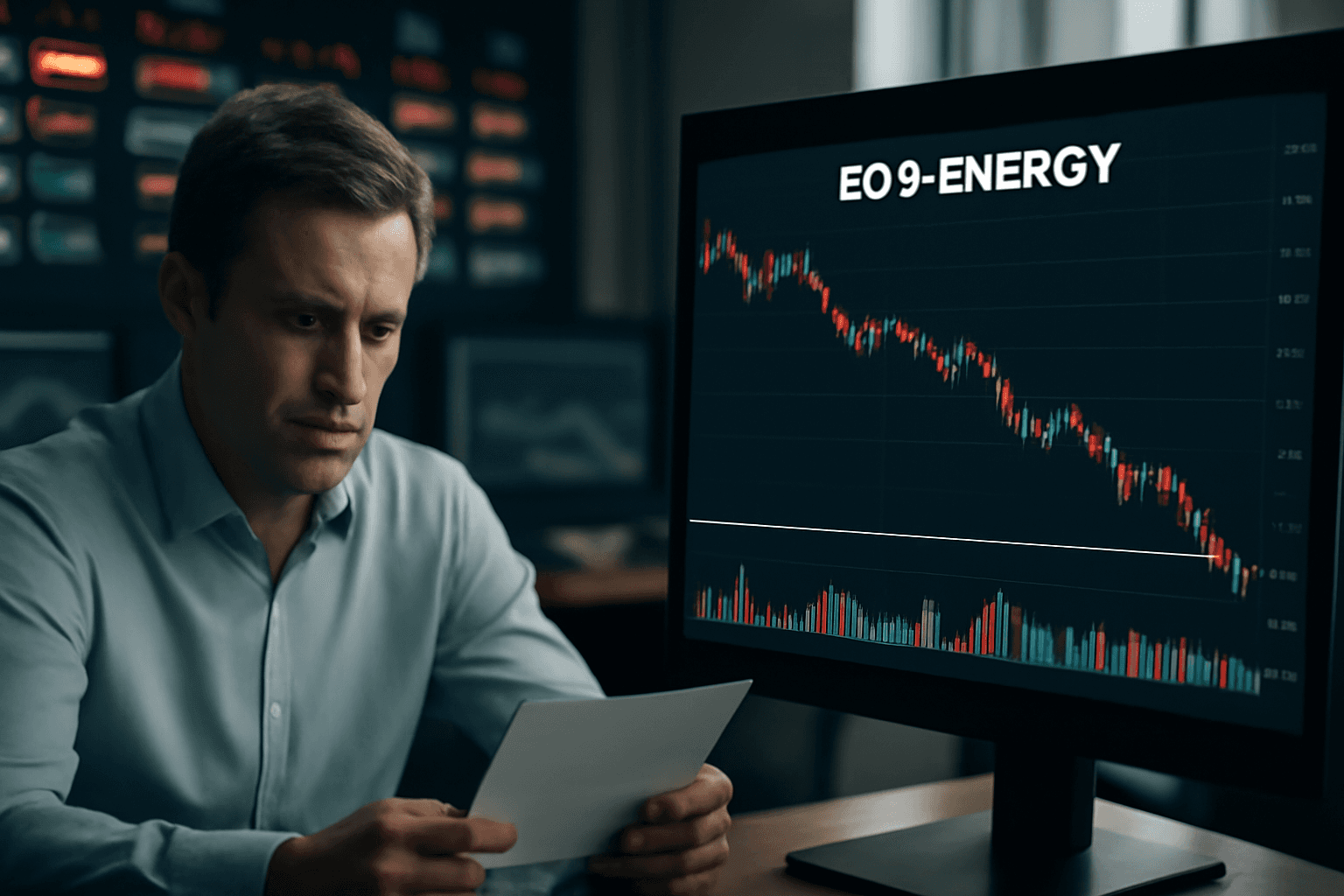
SpaceX shares traded below their IPO price of $135 on July 15, marking a significant shift in market sentiment. During the trading session, the stock reached a low of $132.28 before slightly recovering to close at $135.27, illustrating the volatility faced by investors in recent weeks.
Currently, the stock is approximately at its IPO price, reflecting a sharp decline of about 16% from its previous closing price of $160 on June 12, when SpaceX went public. Furthermore, it has dropped around 36% from its peak value of approximately $211 achieved just days after its market debut.
The company's market capitalization now stands at $1.78 trillion, a notable decrease from the $2.9 trillion valuation noted shortly post-IPO. Analysts attribute this downturn to a reassessment of SpaceX's valuation ahead of its upcoming earnings announcement in August.
Underlying Factors Affecting SpaceX Valuation
Investor concerns center around the company's projected $4.9 billion net loss for 2025, attributed to heavy investments in AI infrastructure and the Starship program. This situation has led to a downturn in confidence, despite SpaceX's inclusion in the NASDAQ 100 index, with shares still down approximately 13% since joining.
Expectations around revenue growth remain positive, with forecasts suggesting revenues could reach between $34 billion and $43 billion this year, a significant increase from the $18.7 billion reported in 2025. Growth in Starlink subscriptions and expanding contracts in AI computing are primary drivers behind these optimistic projections.
However, there is an anticipated wave of selling pressure by late 2026, particularly due to insider share unlocks expected following the second-quarter results. Such unlocks would enable employees and early investors to sell portions of their holdings to the public market, which could further influence the stock's performance.
Notably, SpaceX still ranks among the world’s top ten largest publicly traded companies, maintaining a substantial stature within the market.
This material is informational and should not be considered financial advice.