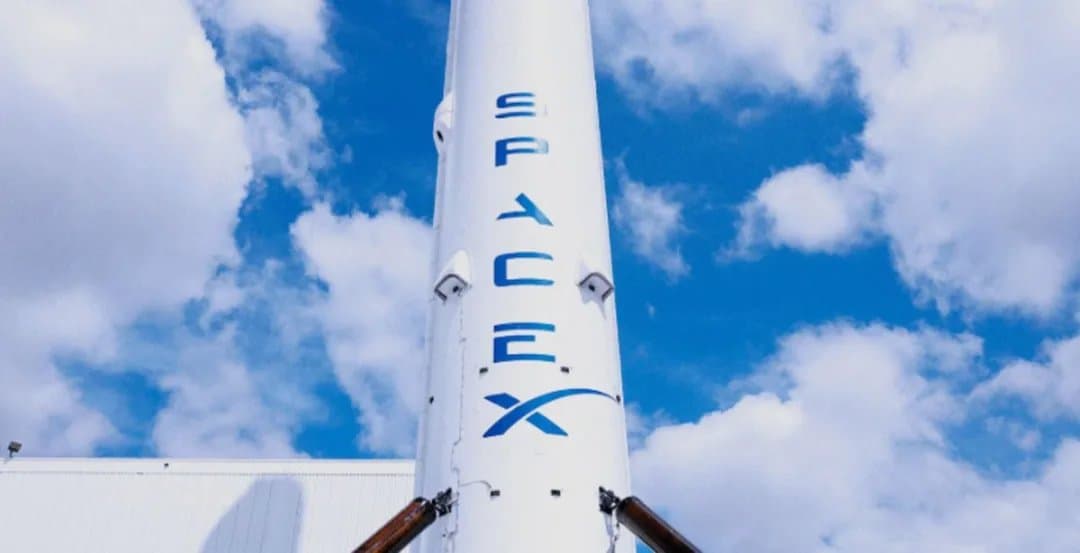
SpaceX shares fell for the fifth consecutive day after the company aborted its 13th Starship flight test just seconds before liftoff due to engine ignition failures. The stock opened about 4% lower at near $126, slipping below its June IPO price of $135.
Launch Abort Details
The Starship launch attempt at SpaceX's Boca Chica facility was stopped during the engine ignition phase. Telemetry revealed that four out of the 33 Raptor engines failed to ignite. This triggered an automated abort sequence that shut down the remaining engines and halted the launch while keeping the rocket secured on the pad.
SpaceX immediately began offloading propellant as engineers investigated the issue. Elon Musk confirmed on X that the launch was aborted because some engines did not start, and noted that two Raptor engines would be replaced to ensure a successful future flight. The company plans to attempt another launch on Monday, July 20, at 6:45 p.m. ET.
Market Impact and Company Status
Following the aborted launch, SpaceX stock traded near $126.08, down roughly 3.84%, and it has now dropped more than 40% from its peak since the June IPO, wiping out over $1 trillion in market value. Thursday’s close at $131.11 was the first time the price fell below the IPO level. Additional market data showed a new low near $122 amid increased selling pressure.
SpaceX recently joined the Nasdaq-100 index, drawing focus from institutional investors and index funds. However, the company continues to face challenges from recent technical setbacks and questions about the pace of development for the Starship program.
Significance of Starship Program
This aborted mission was set to carry 20 upgraded Starlink V3 satellites and to test orbital communications along with further development of Starship and its Super Heavy booster. The upcoming test aims to demonstrate launch, ascent, stage separation, boostback burn, and landing burn toward an offshore target.
The Federal Aviation Administration gave clearance for SpaceX to resume Starship launches earlier this week after investigating a May test flight that saw the Super Heavy booster lose multiple engines before an uncontrolled ocean landing.
Starship remains a critical component of NASA's Artemis Moon mission plans.
Material is informational, not financial advice.