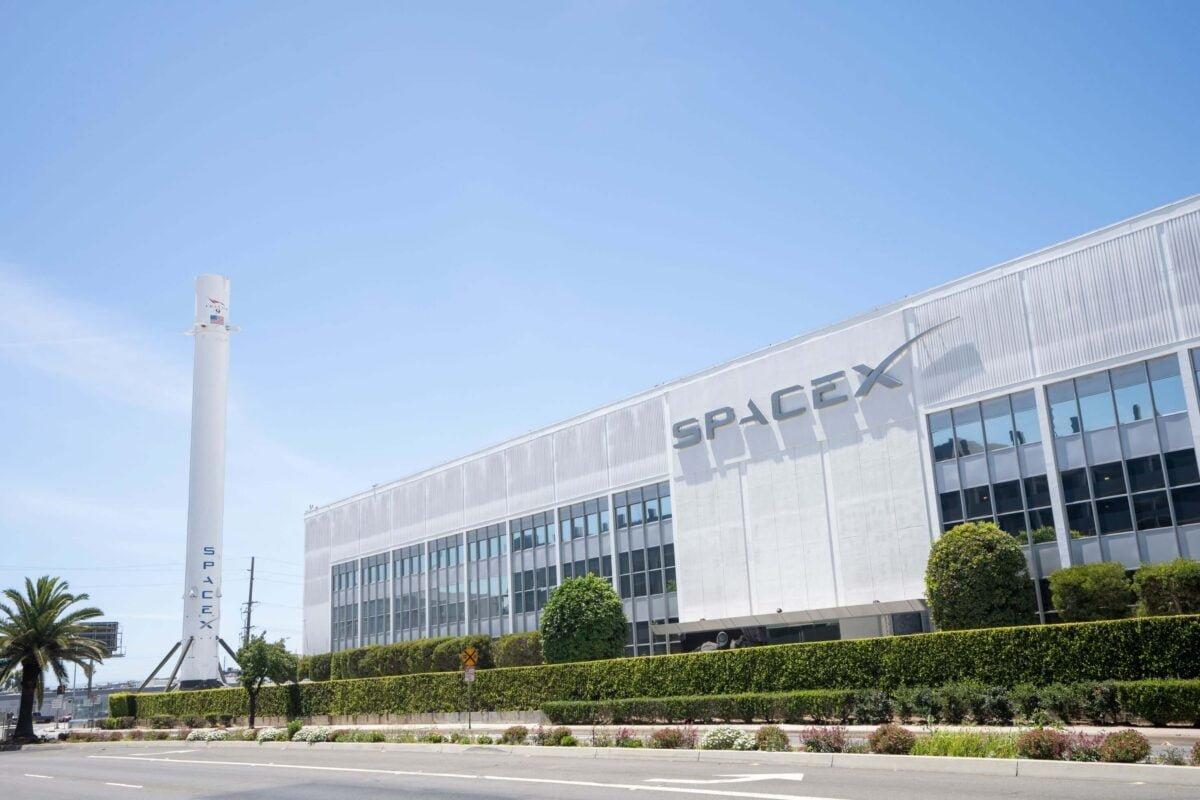
SpaceX has announced a new initiative called 'Starmind', a planned constellation of up to one million satellites dedicated to artificial intelligence computing in orbit. This new technology aims to revolutionize data processing by utilizing AI capabilities on satellites, enabling them to operate as processing hubs rather than simply relaying data.
According to Elon Musk, the launch of Starmind is projected to start with two prototype satellites in early 2027, and full operational capacity is expected by 2028. Musk's presentation indicated that space could emerge as a cost-effective environment for AI computations within two to three years.
Importance of Starmind for AI Development
Starmind's significance rests on its potential to address various challenges faced by terrestrial data centers. Current issues include:
- Increased power costs
- Water scarcity for cooling
- Land use conflicts
- Regulatory hurdles for new constructions
In contrast, satellites in space benefit from abundant solar energy, natural cooling due to the vacuum environment, and streamlined deployment without the complications associated with ground-based operations. This project positions SpaceX to extend its current AI services, already contracted with major companies like Google and Anthropic, into a new orbital dimension.
Launch Schedule and Technical Details
The upcoming prototype satellites, designated as AI1, will be a vital step towards full deployment. They will be produced at the forthcoming Gigasat facility, with mass production set for the end of 2027. SpaceX anticipates utilizing its Starship rockets, which can carry between 30 and 50 AI satellites per flight, to facilitate these launches.
This innovative approach is expected to allow customers to access AI computations with minimal latency, effectively transforming how AI services are delivered globally.
What’s Next for SpaceX and Starmind
Following the announcement, SpaceX's stock closed down by 1% at $160.42 after peaking at $167.90 earlier in the day. Investors are likely to keep a close watch on the upcoming prototype launches in 2027, as well as the operational rollout in 2028, which could reshape the competitive landscape of AI and satellite communications.
This material is for informational purposes only and is not financial advice.