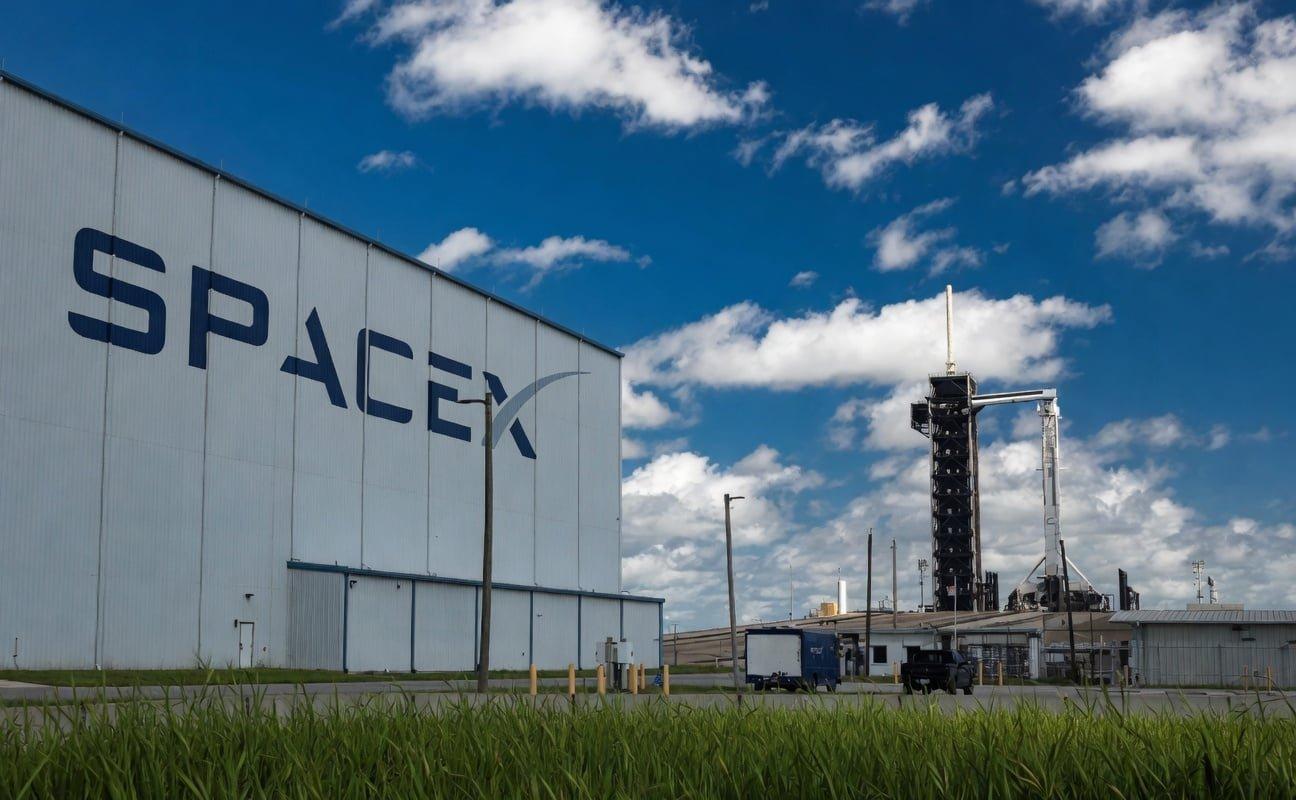
SpaceX, the private aerospace company, launched its Initial Public Offering (IPO) on June 12, 2026, with an initial share price of $135. On its first trading day, the stock opened at $150 and concluded at $160.95, which resulted in a market capitalization exceeding $2 trillion, marking this event as the largest IPO in history.
Financial Performance Overview
In 2025, SpaceX reported a revenue of $18.67 billion, a significant increase of 33% compared to the previous year. Approximately 60% of this revenue was generated from Starlink, the company's satellite broadband service, which now supports around 10.3 million users across nearly 9,600 operational satellites. This transition reflects SpaceX's evolution from an aerospace contractor to a commercial powerhouse driven by Starlink's recurring revenue model.
Despite the considerable revenue growth, SpaceX reported a net loss of $4.94 billion in 2025, contrasting sharply with the $791 million profit recorded in 2024. The substantial investments in the expansion of the Starlink network and its infrastructure have raised questions regarding future profitability and potential timeline for achieving sustained financial success.
Market Reactions and Projections
CEO Elon Musk stated that SpaceX aims to reach an annual revenue of $1 trillion by 2030, a target that highlights the company's ambitious growth trajectory. The market reaction post-IPO has been turbulent, with reports indicating fluctuating stock prices that reflect ongoing debates between bullish investors and cautious short-sellers.
As of July 2, short-sellers began taking positions against SpaceX stock, even after experiencing losses from the stock's initial gains. Such early trading behaviors suggest a divide in investor sentiment regarding the sustainability of SpaceX's current valuation of over $2 trillion.
In Summary
SpaceX is currently being assessed under the assumption that it will meet its aggressive future targets. The bullish narrative asserts that the company possesses a robust launch infrastructure, an expanding broadband division through Starlink, and advantageous vertical integration that enhances operational efficiencies.