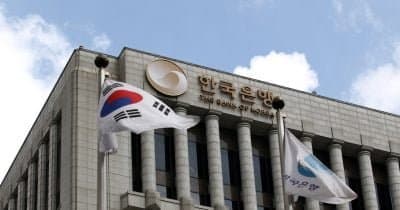
Stocks in South Korea experienced a significant downturn after the Bank of Korea announced its initial interest rate hike since January 2023. On July 16, the central bank raised the benchmark base rate by 25 basis points to 2.75%, a move driven primarily by rising inflation concerns.
Factors Behind the Rate Hike
Inflation remains a key issue, as South Korea's Consumer Price Index surged to 3.2% in June, slightly up from 3.1% in May. This figure considerably exceeds the Bank of Korea's inflation target of 2%. According to Governor Shin Hyun-song, several factors contributed to the decision to increase rates, including ongoing household credit growth, escalating property prices, and import-related inflation exacerbated by exchange rate movements.
Despite these inflationary pressures, the outlook for South Korea's economic growth appears stable. The economy is projected to expand by 2.6% this year, largely bolstered by strong semiconductor exports linked to global investments in artificial intelligence.
Market Reactions
The KOSPI index, which serves as the primary equity benchmark for South Korea, saw a sharp decline post-announcement. Analysts had predicted this rate increase, suggesting that the market's reaction was more about the implications of a tightening monetary policy on corporate profits and consumer spending rather than a surprise element.
Although South Korea has a substantial presence in the digital asset market, evidenced by its reputation as a leading crypto trading hub, there were no remarkable reactions from specific cryptocurrencies following the Bank of Korea's decision. The so-called Kimchi premium, reflecting the price difference between crypto assets on Korean exchanges and global markets, continues to illustrate the solid local demand.
Furthermore, the strength of the semiconductor sector may offer some protection against potential economic downturns. Should demand driven by AI exports remain strong, major corporations in Korea could better handle the implications of higher borrowing costs. However, the Bank of Korea will closely monitor household debt levels and property market dynamics as it assesses whether maintaining the rate at 2.75% is a permanent adjustment or merely a temporary measure.
This material is for informational purposes only and does not constitute financial advice.