South Korea's Central Bank Chief Reveals Plans for Tokenized Bonds and a Unified Digital Ledger
The Bank of Korea's governor expressed strong support for tokenized government bonds at the ECB Forum, also unveiling plans for a unified digital ledger to modernize debt management.
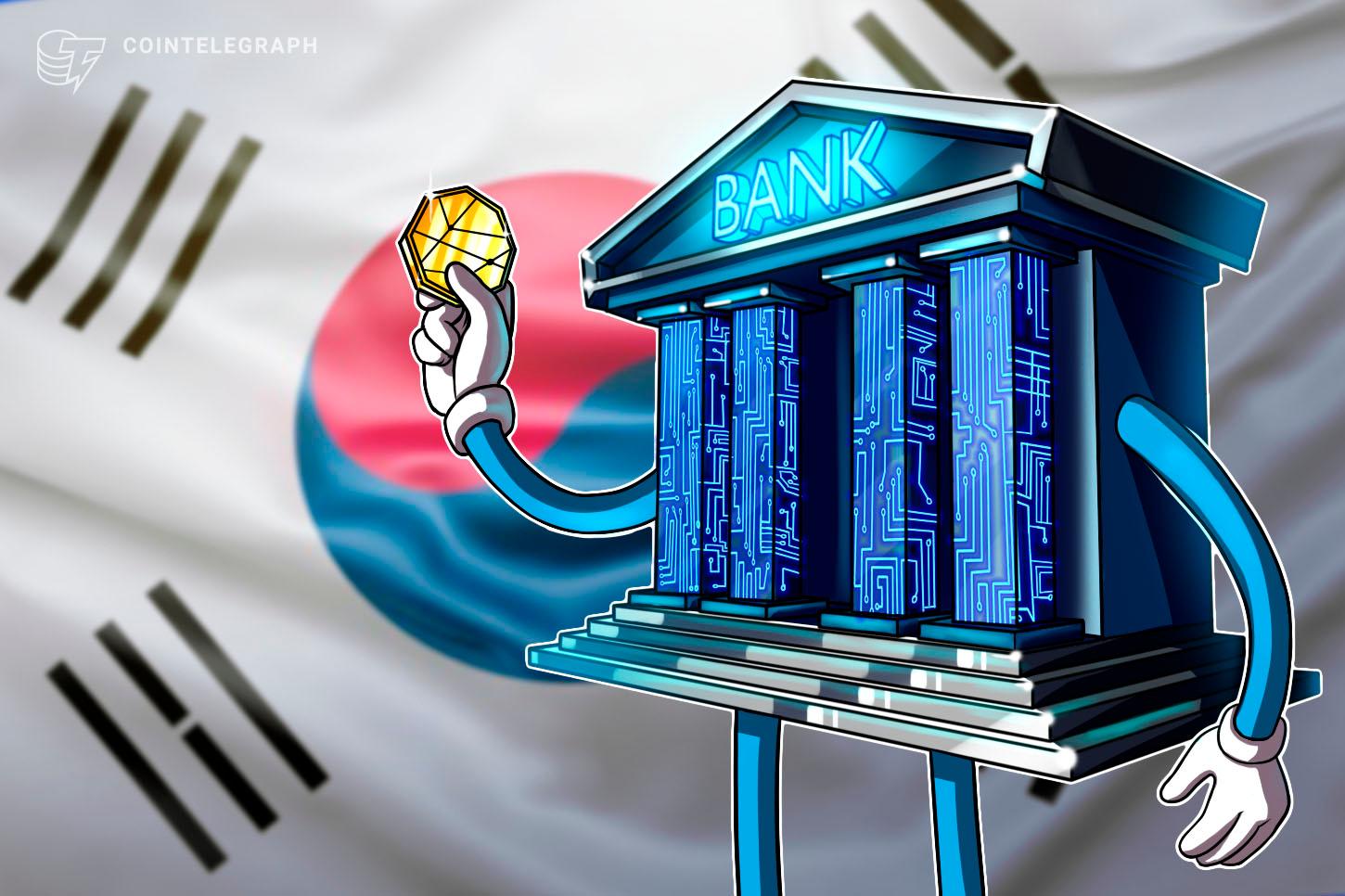
The governor of the Bank of Korea has publicly shared his vision for modernizing government debt management through the use of tokenized government bonds, outlining a forward-looking approach during a high-profile panel discussion held at the European Central Bank Forum.
During the forum, the Bank of Korea's top official highlighted the significant advantages that tokenization could bring to the issuance and management of government debt. According to the governor, converting traditional government bonds into digital tokens on a blockchain-based infrastructure has the potential to dramatically streamline processes that have historically been complex, time-consuming, and resource-intensive.
Tokenized bonds represent a digital form of traditional debt instruments, recorded and managed on distributed ledger technology. By leveraging this approach, central banks and governments can reduce settlement times, lower administrative costs, and improve transparency across the entire lifecycle of a bond — from issuance to maturity and redemption.
A central element of the Bank of Korea's vision is the development of a unified ledger system. This concept, which has gained traction among several central banks globally, envisions a single shared digital infrastructure where various financial assets and payment systems can coexist and interact seamlessly. Such a platform would allow for programmable transactions, enabling automated settlement and reducing the risk of errors or delays associated with traditional financial plumbing.
The governor's remarks at the ECB Forum signal a growing consensus among global monetary authorities that digital finance infrastructure is no longer a distant prospect but an imminent priority. South Korea has consistently positioned itself as a forward-thinking player in the digital finance space, and the Bank of Korea's latest statements reinforce that commitment.
The unified ledger concept aligns with broader international discussions spearheaded by institutions such as the Bank for International Settlements, which has long advocated for a new generation of financial market infrastructure built on tokenization and interoperability.
While specific timelines and technical details surrounding South Korea's tokenized bond initiative have yet to be fully disclosed, the governor's public endorsement at such a prominent international venue suggests that the project is progressing beyond theoretical exploration into more concrete planning stages.
As central banks around the world race to modernize their financial systems, South Korea's dual focus on tokenized government bonds and a unified digital ledger may serve as a model for other nations looking to embrace the next generation of sovereign debt management.
Read Also

Forward Industries Stock Surges After Top Solana Treasury Company Acquires $38M Worth of SOL
Massive SHIB Withdrawal, XRP Holds $1 Support, and Citi Trims Bitcoin Target by 27% Amid AI Capital Shift

500 Billion SHIB Floods Into Exchanges: What Does This Mean for the Token's Price?