SK Hynix made a remarkable entrance onto the Nasdaq, witnessing a 13% increase in its share price, closing at $168.01 on its first trading day. The South Korean semiconductor giant successfully raised $26.5 billion through its U.S. share offering, targeting further investments in production capacity and resources.
The company's U.S. depositary shares were initially priced at $149 each, and investors had the opportunity to invest directly in South Korea's second-largest listed company. This debut follows a notable rise of more than seven times in SK Hynix's home market shares over the past year, pushing its market valuation close to $1 trillion.
Market Position and Product Demand
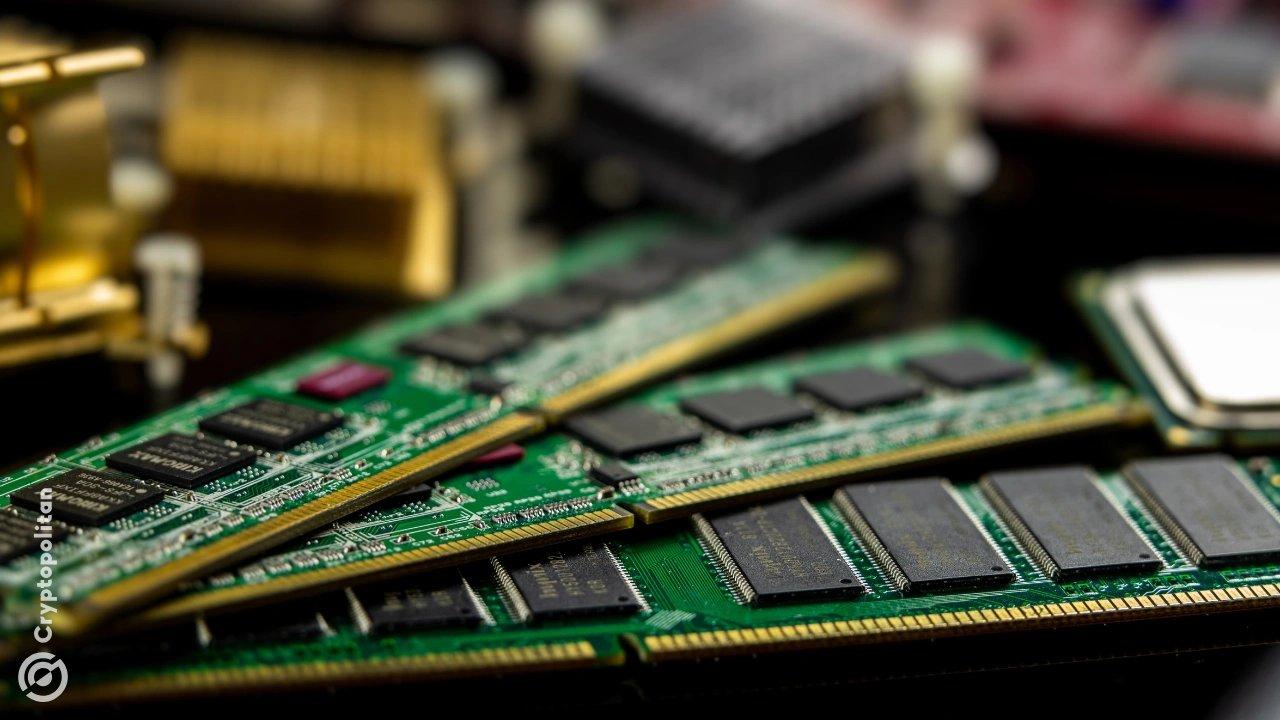
As artificial intelligence (AI) continues to drive demand for advanced semiconductors, SK Hynix is well-positioned in the market. It is among the leading suppliers of high-bandwidth memory (HBM), which plays a critical role when used in conjunction with AI processors, particularly those developed by Nvidia. This cutting-edge memory stacks several layers, enabling faster data transfer to processors.
Just behind Samsung Electronics, SK Hynix stands alongside Micron Technology as one of the primary memory producers utilized in various electronics, including devices from major companies like Apple and Dell. The surge in AI-related applications has led to an unprecedented demand for chips from data centers, thereby elevating the commercial significance of memory products.
Future Plans and Challenges
Chairman Chey Tae-won expressed his pride regarding the U.S. listing, describing it as a personal milestone and saying, 'It’s a kind of dream, and now it’s a dream come true.' However, he acknowledged the challenges ahead, stating that customers are not entirely satisfied with the company's growth plans. SK Hynix has committed to doubling its capacity over the next five years to meet increasing demand.
Currently, analysts expect SK Hynix to capture more than half of the global HBM sales market this year as the push for sophisticated AI applications continues its ascent. As demand rises, the company's ability to ramp up production while maintaining quality will be essential in securing its dominance in the sector.
This material is informational and should not be construed as financial advice.