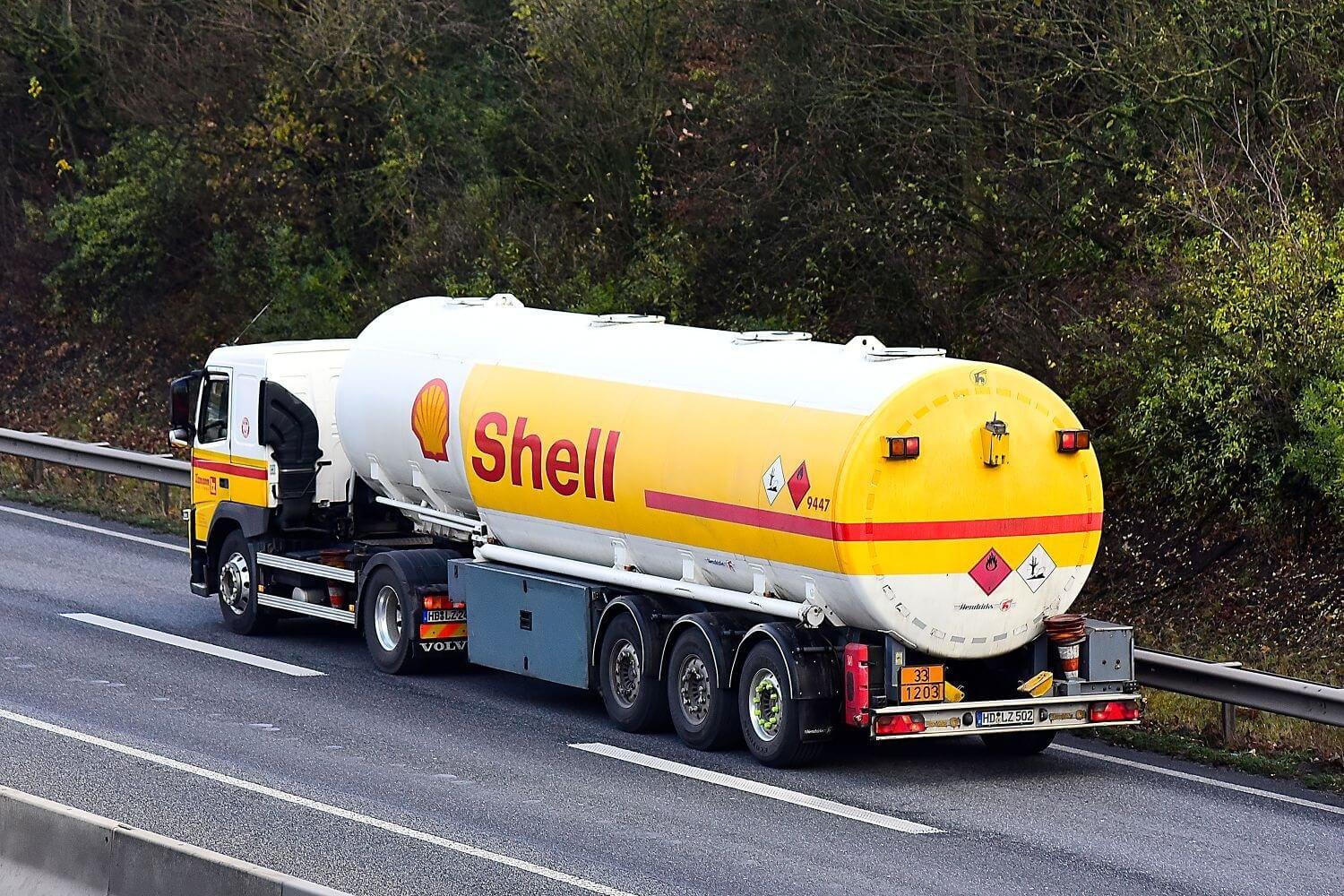
Shell plc's stock (SHEL) experienced an increase of over 3% during early trading in London on the back of improved second-quarter production and trading projections.
The company's updated forecast raised its integrated gas production estimates for Q2 to between 610,000 and 650,000 barrels of oil equivalent per day (boe/d), a notable improvement from the prior estimate of 580,000 to 640,000 boe/d. This adjustment reflects a more optimistic outlook, although it still falls short of the Q1 production benchmark of 909,000 boe/d.
Significance of the Adjustment
This forward-looking update is crucial as it provides investors with clearer expectations ahead of Shell's upcoming earnings report scheduled for July 30. Understanding these projections is essential for stakeholders as they navigate market volatility.
- New production range: 610,000 650,000 boe/d
- Previous production range: 580,000 640,000 boe/d
- Q1 production: 909,000 boe/d
- Expected working capital inflow: $1 billion $6 billion
Gas trading results are anticipated to exceed Q1's performance, bolstered by fluctuations in commodity prices largely attributed to the ongoing conflict in the Middle East. Shell reported that its Pearl gas-to-liquids facility in Qatar remains offline, further impacting production capacity.
Additionally, LNG liquefaction volumes were raised, estimated to range between 7.4 million and 7.8 million metric tons, compared to the former guidance of 6.8 million to 7.4 million tons, albeit still lower than Q1's 7.9 million tons.
Market Reactions and Predictions
Following this announcement, Citi has increased its Q2 earnings per share forecast for Shell by 13%, indicating a positive outlook driven by improvements in trading, chemical production, and fuel marketing.
The company also disclosed indicative refining margins of approximately $20 per barrel for Q2, up from $17 in Q1. The chemicals margins demonstrated a significant increase to about $240 per ton from $139, although realized margins were noted to be below these indicators due to market disruptions.
Future Outlook
Looking ahead, investors will be monitoring the impact of geopolitical tensions in the Middle East on Qatari production volumes, particularly as repairs to the Pearl facility are expected to take a year.
As the situation develops, stakeholders will also be keenly observing how trading performance adapts to ongoing price fluctuations, and the potential for Shell to capitalize on its updated guidance during the forthcoming earnings report.
This material is for informational purposes and does not constitute financial advice.