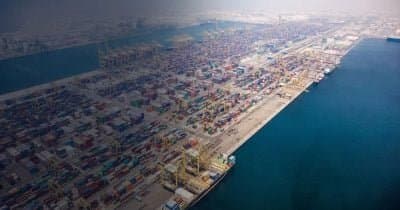
Seven explosions ripped through Dubai's Jebel Ali Free Zone on August 5, tearing through one of the world's busiest shipping and logistics hubs in less than 20 minutes. Thick black smoke billowed from fuel storage facilities. Emergency crews mobilized immediately. No deaths reported, but the incident already has global supply chain watchers on edge.
Officials in the UAE are calling it an industrial warehouse fire. Iranian and Iraqi media outlets are pointing fingers at Houthi forces, suggesting a missile or drone strike from Yemen. That's the split right now, and it matters enormously for what comes next.
Jebel Ali Free Zone, run by DP World since 1985, houses over 11,000 companies across 150 nations. It's not some regional warehouse. Disruptions here cascade outward immediately. Shipping schedules get scrambled. Commodity prices twitch. Insurance claims pile up fast. This particular port corridor moves goods that feed into everything downstream.
If Houthi forces successfully struck Dubai, that changes the entire calculus of Red Sea security. They've already hammered Saudi oil infrastructure and commercial shipping routes for months, but reaching into the UAE would mark a serious escalation. For now, authorities are holding the industrial accident line while investigations continue.
Dubai spent years positioning itself as a crypto haven, attracting Binance, Bybit, OKX, and dozens of blockchain firms through the Dubai Virtual Assets Regulatory Authority. The infrastructure and investor confidence in the emirate's digital asset ambitions could take a hit if geopolitical risks spike. No crypto entities were directly involved in the explosions, but perception matters when institutions are choosing where to park operations and capital.
This article is informational and does not constitute financial or investment advice. Events remain under investigation with details still emerging.