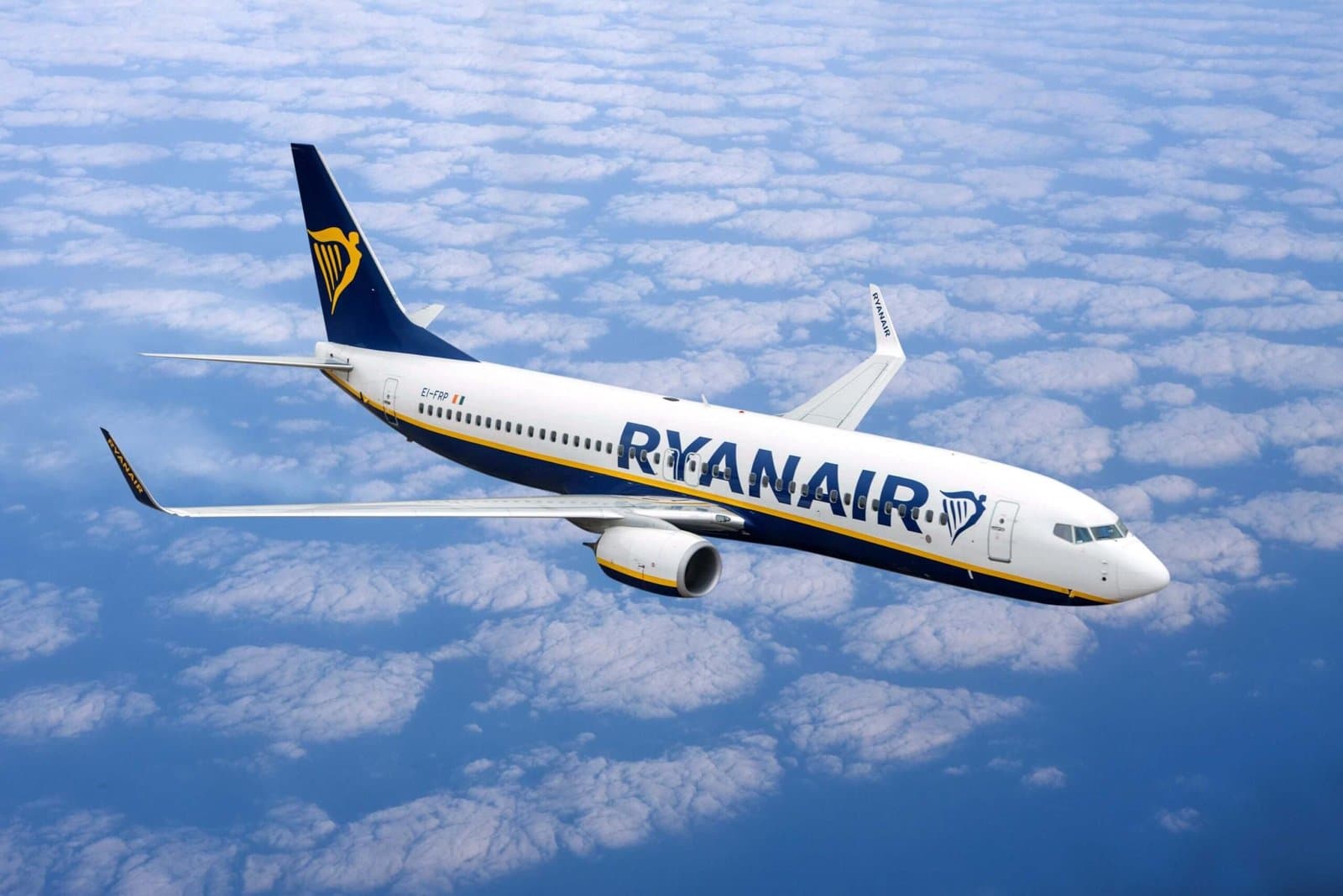
Ryanair’s CEO Michael O’Leary said on the earnings call that the primary reasons for the 34% fall in Q1 profits were a doubling of the airline’s unhedged fuel costs and a 6% drop in average fares. The fuel price surge resulted from US and Israeli strikes on Iran, which pushed jet fuel prices sharply higher, while geopolitical tensions in the Middle East kept travelers from booking flights as usual.
The airline reported net income of €538 million for April through June, missing analyst expectations by 7% and falling short of Morgan Stanley’s €639 million forecast. Despite a 1.1% rise in revenue to €4.43 billion and passenger numbers increasing nearly 6% to 61.3 million, the average fares declined steeper than Ryanair had anticipated, negatively impacting profits. The load factor remained steady at 94%, indicating that planes were still flying near capacity.
Fuel costs hit Ryanair hard because approximately 20% of its fuel consumption was unhedged and more than doubled in price during the quarter. Crude oil briefly spiked to $90 per barrel after a series of intense US-Iran exchanges around the Strait of Hormuz, a key global oil supply route. Although an interim peace deal provided temporary relief, energy prices rebounded as fighting resumed. Non-fuel costs per passenger were actually 1.5% below estimates.
Looking ahead, Ryanair now expects Q2 fares to be modestly lower compared to last year, adjusting down from its previous forecast of stable fares. The CFO Neil Sorahan pointed to a widening unit cost gap with competitors like Wizz Air. The company maintained its full-year passenger forecast of 216 million, projecting a 4% increase. The firm also withdrew its prior guidance on mid-single-digit inflation in unit costs, citing uncertainty around future unhedged fuel prices.