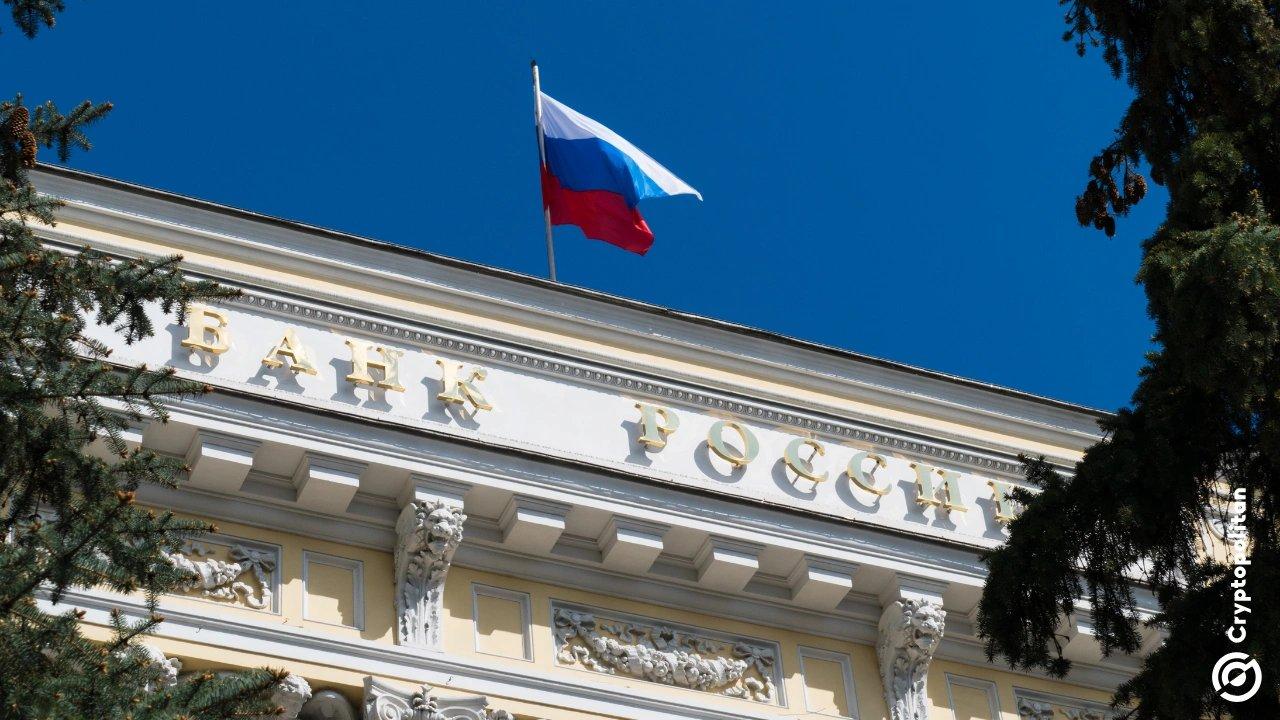
The Russian government is moving to amend its cryptocurrency legislation, thereby facilitating broader acceptance of digital coins as payment methods. The revised bill, aimed at advancing before a September adoption deadline, intends to allow greater utilization of cryptocurrencies in various financial transactions.
Importance of the Changes
This legislative shift is significant as it marks a step towards integrating cryptocurrencies into the mainstream financial system of Russia. By permitting the exchange of cryptocurrencies and allowing these digital assets to be used for purchasing securities, the government is addressing the evolving needs of cryptocurrency users and investors in the country.
- Expanded list of eligible cryptocurrencies for transactions.
- Legalization of cryptocurrency payments for securities outside public offerings.
- Authorization for cryptocurrency swaps and transfer fee payments on blockchain networks.
Details of the Legislative Amendments
The bill, titled “On Digital Currency and Digital Rights,” has successfully passed its second reading in the State Duma’s Committee on Financial Markets. The latest version permits digital currencies to be employed as payment means for additional types of digital rights and assets. While the Russian ruble remains the only recognized legal tender, exceptions will allow for cryptocurrency use in specified contexts, such as mining rewards and international trade.
Lawmakers will not change the basic criteria required for a cryptocurrency to be authorized for the Russian market. However, they are opening pathways for more digital currencies to gain legitimacy, reflecting an evolving regulatory environment.
Future Developments to Monitor
As this legislation progresses, key points to observe include the final adoption of the amendments and their impact on market dynamics. The potential for increased usage of cryptocurrencies among investors and businesses could mark a transformative shift in Russia’s financial landscape.
This article is for informational purposes only and does not constitute financial advice.