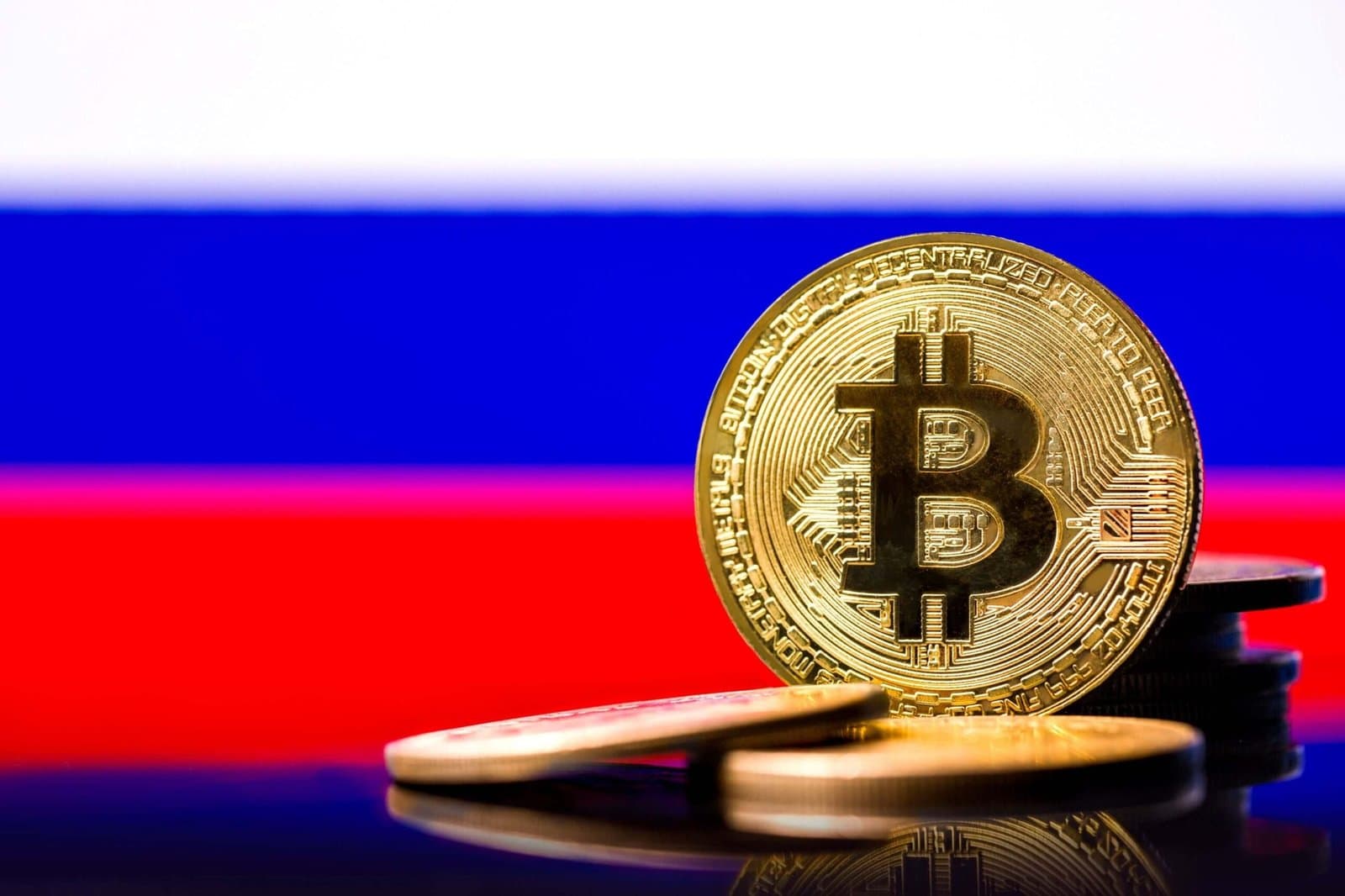
Putin signed off on Russia's first unified digital currency framework on August 5, 2026. The legislation creates legal standards for exchanges, custodians, mining operations, and brokers operating in the country.
The law was introduced in April, moved through parliament, and now most rules kick in September 1. Some provisions wait until 2027.
Retail investors can now buy up to 300,000 rubles, roughly $3,700, of approved cryptocurrencies per year from each intermediary. Qualified investors who pass mandatory testing get unrestricted access.
Crypto exchange operators must register with the government and hold at least 15 million rubles in capital, about $185,000. Those already operating have until March 1, 2027 to transition to the new framework.
The law keeps the ban on using crypto to pay for goods and services. Advertising such payments is also prohibited. Cross-border transactions, mining-related settlements, and certain system fees get exemptions.
Banks must refuse transfers to unauthorized exchange operators when they spot suspicious activity. Existing operators get a temporary window until July 1, 2027 to meet capital requirements.
The framework also establishes rules for digital financial assets, creating a clearer path for the sector after years of regulatory uncertainty in Russia. The move aligns with global trends toward formalized crypto oversight.
This material is informational only and does not constitute financial advice. Regulatory frameworks change, and investment decisions should be made based on your own research and risk tolerance.