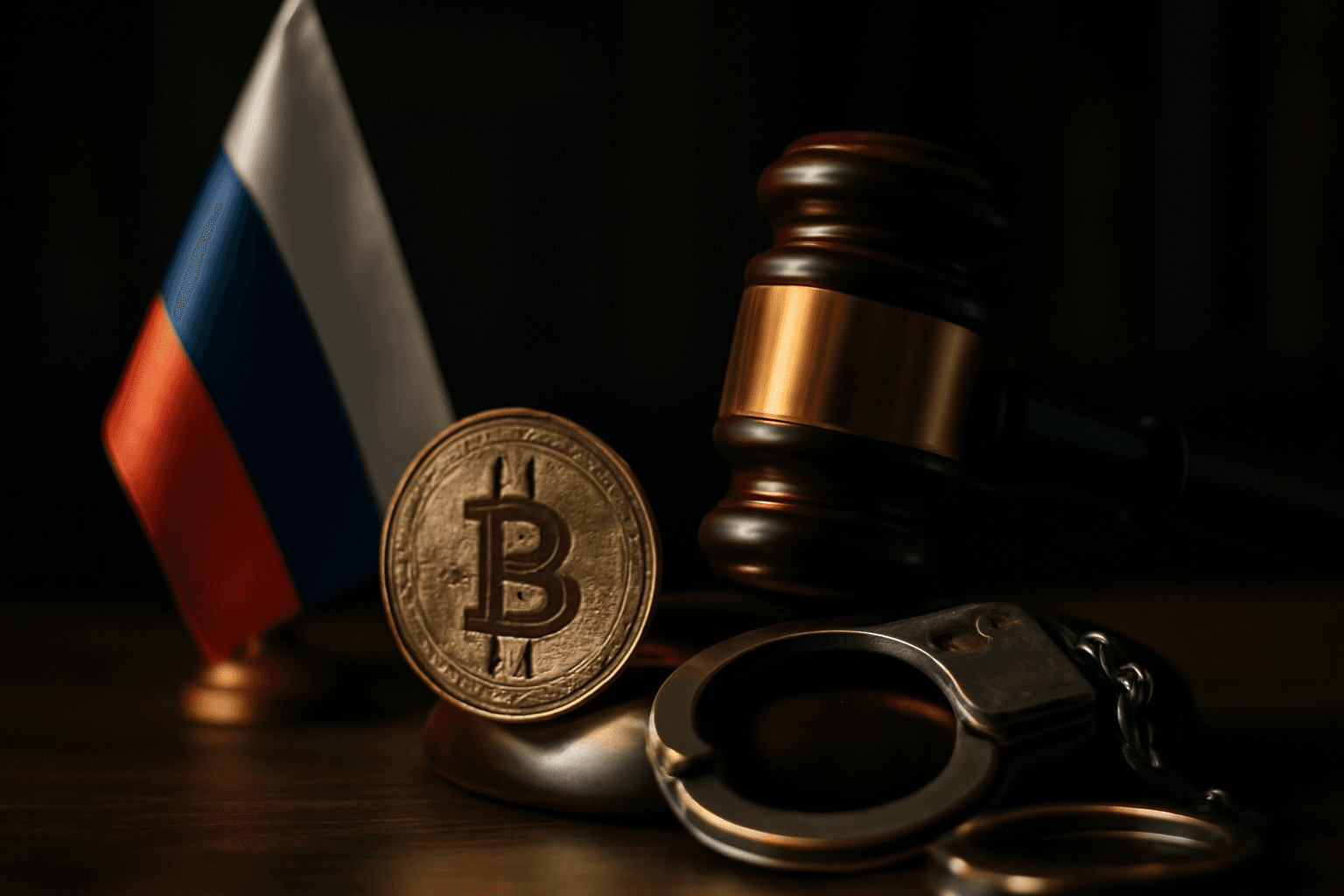
Russia's financial monitoring agency, Rosfinmonitoring, is set to receive significant powers to oversee cryptocurrency transactions exceeding 60,000 rubles as part of a new legislative framework aimed at enhancing financial oversight within the country.
Real-Time Data Access for Rosfinmonitoring
The new regulations will mandate that all transactions over the 60,000 ruble threshold provide comprehensive details, including the payer's and recipient's names, wallet addresses, dates of birth, and taxpayer identification numbers. This requirement marks a reduction from the previously proposed threshold of 100,000 rubles. The bill also stipulates that transactions involving foreign trade exceeding 1 million rubles will be subject to the same level of scrutiny.
With the automatic generation of reports for transactions between residents and non-residents, the legislative measure aims to bolster Rosfinmonitoring's capabilities to monitor crypto activities effectively, even when conducted through foreign platforms. Furthermore, foreign financial institutions will be compelled to report transactions concerning Russian citizens if they surpass the specified amount.
Developments in Legislative Approval
The Financial Markets Committee of the State Duma has advanced the draft bill for its primary reading, as confirmed by committee chairman Anatoly Aksakov. Recent modifications of the bill have replaced the earlier requirement for full disclosure of crypto wallet addresses with a more privacy-oriented approach, now demanding only the reporting of balances and transactions.
Aksakov emphasized that this change aims to protect citizens from potential leaks of sensitive data that could be detrimental to national interests. An additional amendment proposed allows licensed Russian brokers and asset managers to conduct transactions on foreign crypto exchanges, provided those exchanges fulfill jurisdictional friendliness criteria. These developments illustrate a shift towards a more regulated crypto environment.
Implications for Crypto Transactions in Russia
The introduction of these regulations will likely impact how individuals and businesses engage with cryptocurrencies. Notably, for non-qualified investors, there is a newly established annual limit of 300,000 rubles through a single intermediary, applicable to the most liquid cryptocurrencies. Moreover, a mandatory two-day freeze on transfers involving significant sums has been proposed, further tightening the framework surrounding crypto transactions.
Overall, Russia's move to establish a thorough cryptocurrency monitoring mechanism reflects its growing concerns about the stability of its financial system amid the rapidly evolving digital asset landscape. As mentioned in related articles, regulatory movements in other markets, such as Japan's advancements in crypto ETF regulations, may influence similar trends globally.
This material is informational and should not be considered financial advice.