RLUSD Market Cap Tumbles Below $1.4B as Consortium-Backed Open USD Steps Into the Arena
Ripple's RLUSD stablecoin saw its market cap fall to $1.4 billion after roughly 146 million tokens were burned, as the newly announced Open USD consortium — backed by BlackRock, Google, Visa, and Ripple itself — enters the stablecoin space.
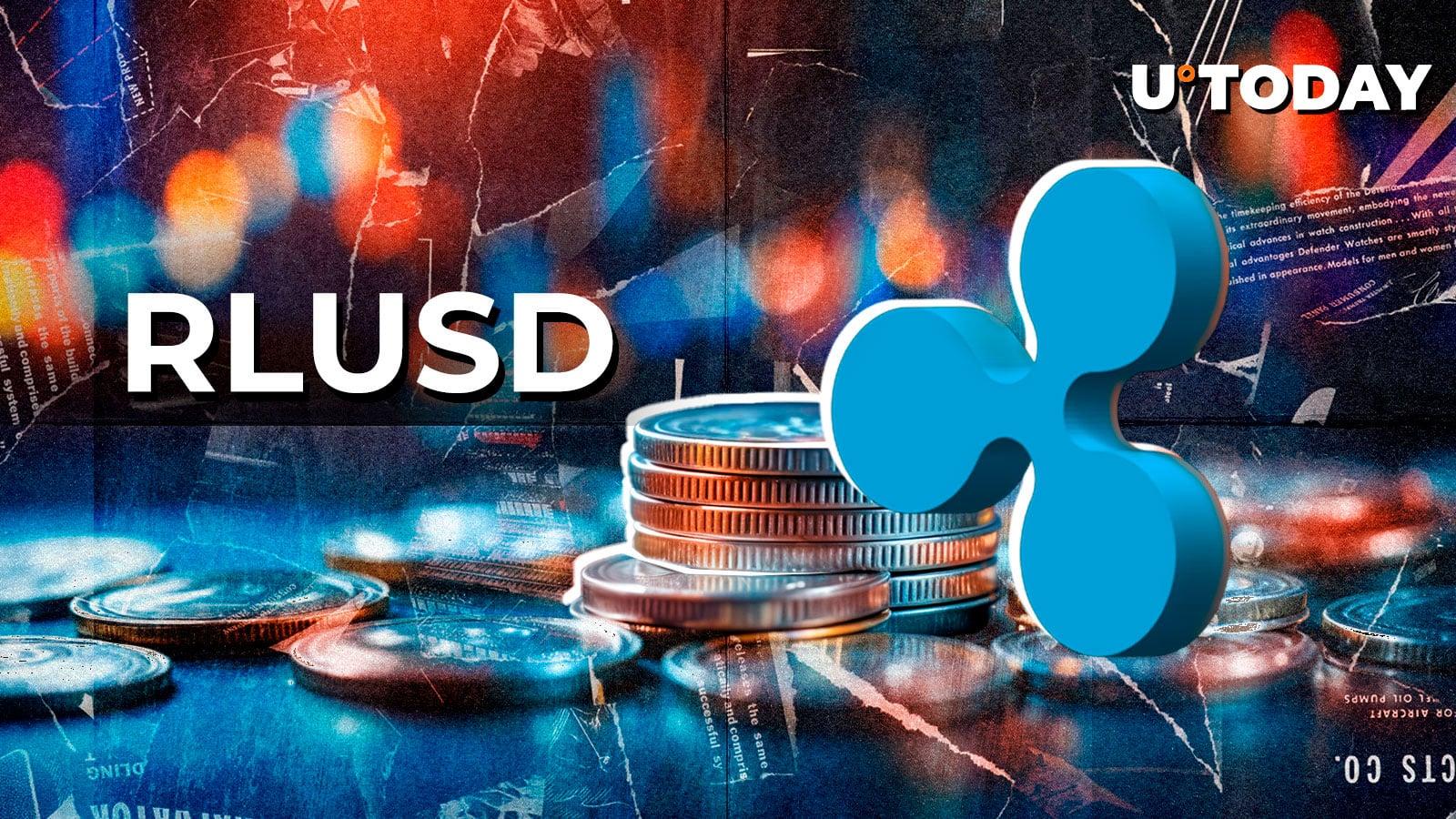
Ripple's dollar-pegged stablecoin RLUSD is facing a notable contraction in its market presence, even as the company simultaneously joins forces with a powerful new industry consortium backing a rival digital dollar.
According to on-chain data from the XRP Ledger, a series of major RLUSD token burns took place on Tuesday, June 30, 2026. The token's total market capitalization has since dropped to approximately $1.4 billion, according to CoinGecko figures. That marks a significant retreat from the stablecoin's all-time peak of nearly $1.9 billion. Within just a few hours, around 146 million RLUSD tokens were destroyed — a burn volume large enough to shift the primary issuance network. As a result, Ethereum has now overtaken the XRP Ledger as the dominant chain for RLUSD supply.
The timing of these burns is hard to ignore. They coincided almost exactly with the public launch announcement of Open USD (OUSD), a new consortium-driven stablecoin backed by more than 140 financial, technology, and crypto firms. Ripple itself confirmed it has joined this coalition, which includes heavyweight names such as BlackRock, Mastercard, Google, Visa, and Stripe. Open USD will be governed by an independent body called the Open Standard organization, giving it a neutral, multi-stakeholder structure that sets it apart from proprietary stablecoins.
The initiative is reportedly designed to address long-standing challenges in the stablecoin sector, including scalability limitations, fragmented governance, and misaligned incentives. USDC, issued by Circle, is expected to serve as a foundational element of the project.
Reactions across the XRP community have been mixed. Some holders see Ripple's involvement in the OUSD consortium as a net positive for broader crypto adoption. X user @nietzbux expressed approval, arguing that a truly neutral stablecoin would expand the overall ecosystem and ultimately benefit XRP: "Open USD is fantastic for crypto adoption. Because this is an actually neutral stable, everyone will use it, and crypto rails will become ubiquitous for the public. The bigger the pie grows, the better for $XRP."
However, others raised pointed questions about what this means for RLUSD's future. Anodos CEO Panos Mekras publicly noted the obvious competitive tension: "Yes, but OUSD also competes with RLUSD so where does this leave RLUSD?"
The ripple effects — no pun intended — extended well beyond Ripple's own ecosystem. Circle, which completed a high-profile IPO earlier in 2026, saw its share price drop more than 15% following the OUSD announcement. The sell-off reflects investor concern that a well-funded, broadly backed competitor could threaten USDC's dominant position in the regulated stablecoin market.
That said, analysts at William Blair pushed back against the severity of the reaction, characterizing the decline as an overreaction. They argued that USDC's deeply embedded liquidity and established market infrastructure would be extremely difficult for any newcomer to displace quickly.
Circle CEO Jeremy Allaire took to social media to reaffirm the company's direction: "We welcome continued innovation and competition in the space and look forward to remaining laser-focused on building the best stablecoin infrastructure possible and driving more customer and partner success." Allaire added that stablecoins represent one of the largest financial market opportunities in the world as digital infrastructure reshapes how money is stored and moved.
The developments of June 30 raise broader questions about the stablecoin landscape heading into the second half of 2026. With institutional giants now actively backing a shared stablecoin standard, the competitive dynamics for both RLUSD and USDC are shifting rapidly — and the industry may be entering a new phase defined less by individual issuers and more by open, interoperable infrastructure.