Stuart Alderoty, Chief Legal Officer at Ripple, emphasized the significance of the 67 million Americans holding cryptocurrency, arguing they should not be dismissed as a fringe group. He referenced a report indicating that one in four U.S. adults has entered the crypto market, demonstrating a growth of 12 million users within the past year.
Importance of Understanding Crypto Demographics
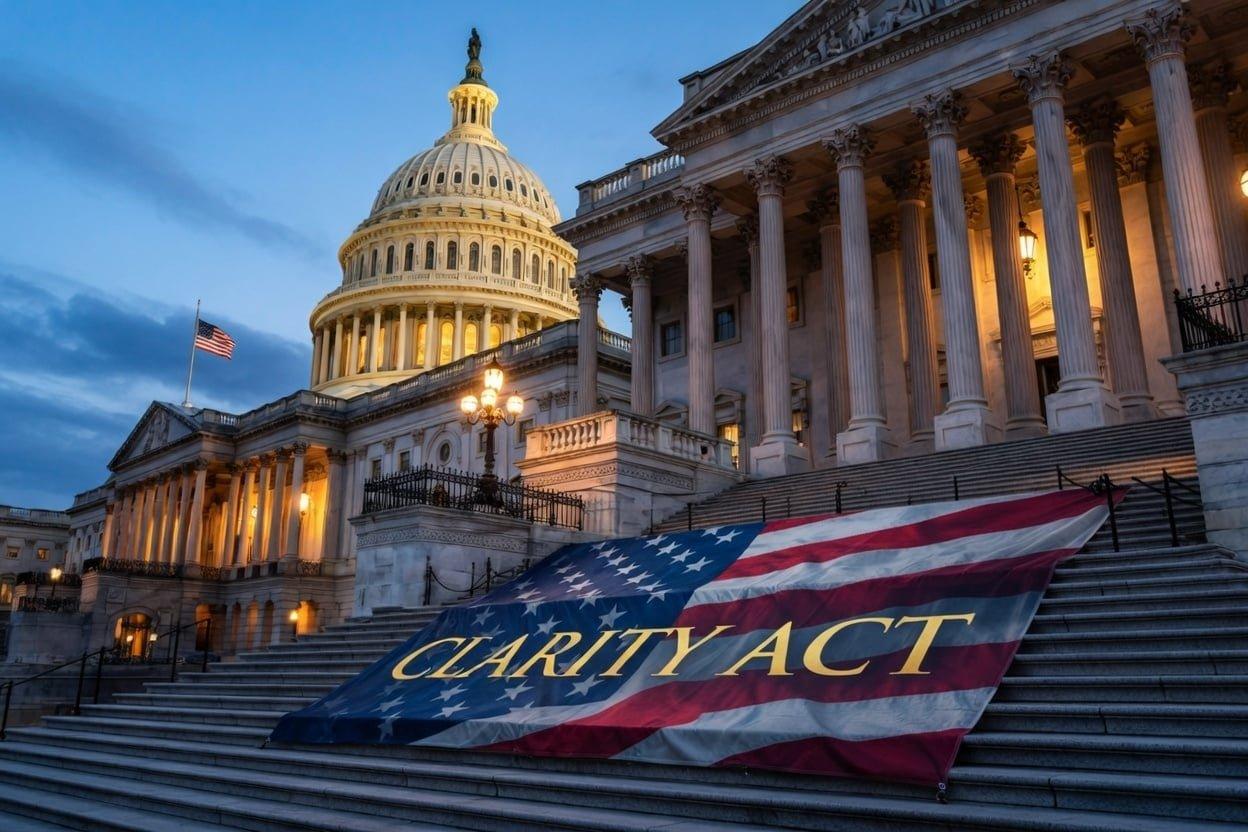
Alderoty's comments come amid the stalled progress of the CLARITY Act in the Senate, where it awaits a vote without a clear timeline before the upcoming recess. This legislation is crucial for establishing a regulatory framework for digital assets.
- 67 million Americans currently hold cryptocurrency
- 12 million new crypto owners in the past year
- Support for the CLARITY Act stands at 27% among Americans
According to Alderoty, the surge in cryptocurrency ownership should influence how legislators approach digital asset regulation. He insists that the growth in numbers reflects a broader acceptance of cryptocurrency beyond just affluent or tech-savvy individuals. Notably, over half of current crypto holders report household incomes below $150,000, with a quarter earning under $75,000.
Shifting Perceptions of Crypto Holders
The report highlighted that female participation in cryptocurrency ownership has increased by 10% year-on-year, with women representing 42% of new holders. This shift challenges traditional stereotypes about crypto users and shows that adoption is spreading across diverse demographics, including construction and manufacturing workers.
Alderoty noted various practical applications of cryptocurrency and blockchain technology among users. Many individuals leverage digital assets for payments, business transactions, and familial transfers, as illustrated by examples like Oklahoma ranchers utilizing blockchain for cattle tracking. This demonstrates that the use of blockchain extends beyond financial trading activities.
Future Prospects for the CLARITY Act
The CLARITY Act, officially identified as H.R. 3633, remains on the Legislative Calendar of the Senate, lacking a scheduled floor vote or a filed cloture motion. Notably, the House approved the bill back in July 2025 with a significant majority.
As the Senate reconvenes, stakeholders will closely monitor developments related to this legislation and its potential effects on the cryptocurrency landscape.
This material is for informational purposes only and should not be considered financial advice.