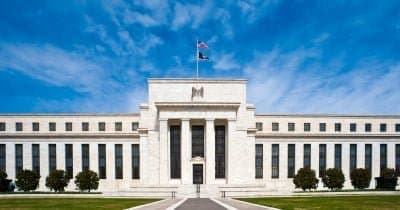
A new Federal Reserve survey reveals a surprising increase in economic activity, coinciding with a slight drop in inflation rates. The Consumer Price Index (CPI) indicates a decline in the annual inflation rate from 4.2% in May to 3.5% in June, a development that has shifted market expectations regarding interest rate adjustments.
Survey Insights and Regional Growth
The Federal Reserve's Beige Book highlights that AI-driven data center construction has played a significant role in boosting investment and labor demand. This trend is contributing to moderate economic growth across many U.S. regions. Despite these developments, inflation remains above the Fed's 2% target, which keeps the possibility of interest rate changes a focal point for the financial sector.
Market Adjustments and Rate Hike Probabilities
Recent market analyses show a decline in the likelihood of an interest rate hike during the upcoming July Federal Open Market Committee (FOMC) meeting, with the probability now at 4.7%. This marks a significant change from previous days, as the chance of a rate increase for the September meeting has also decreased from 44% to 35%. This reduction suggests that investors are interpreting the survey's results as an indication of decreased urgency for immediate policy modifications.
Impact of Energy Prices on Inflation
The recent stabilization of energy prices, spurred by geopolitical events in Iran, has further contributed to the easing inflation trend. This development supports the argument for the Fed to maintain its current interest rate stance in the foreseeable future. Market participants are advised to stay alert for further economic data that could influence upcoming monetary policy decisions.
The next FOMC meeting, scheduled for July 28 29, is anticipated to offer crucial insights into the Fed’s response to the current economic climate. Investors should keep an eye on potential statements from Chair Jerome Powell and other Fed officials regarding any forthcoming rate changes. Significant shifts in inflation rates or labor market statistics might also impact future policy trajectories.
This material is for informational purposes only and should not be considered financial advice.