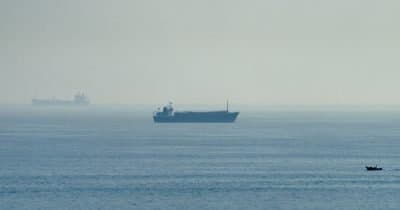
A tanker in the Strait of Hormuz was struck by an unidentified projectile, while another vessel nearby experienced an explosion, according to a report from the United Kingdom Maritime Trade Operations (UKMTO). Both incidents occurred without casualties but have intensified concerns over maritime security in this critical oil transit route.
The Strait of Hormuz remains a flashpoint with continuous pressure from regional players like Iran and Oman. The area’s volatility has unsettled commercial shipping and raised questions about when normal traffic might resume. Market analysts now see a diminished chance of the strait returning to stable conditions by the end of September, complicating global oil supply forecasts.
What’s Behind the Escalation?
These recent attacks fit a pattern of escalating risks in the region. Maritime operators and traders are closely watching statements from Iranian authorities and the UKMTO for signs of either escalation or de-escalation. Confirmations of ceasefires or security assurances could ease market fears, while continued or new threats are likely to prolong instability.
In related geopolitical developments, growing tensions in the Middle East have been reflected in shifting market sentiments, similar to how diplomatic negotiations have faltered and impacted regional stability. The situation remains fluid, with potential ripple effects on oil prices and shipping insurance costs.
This content is for informational purposes and does not constitute financial advice.