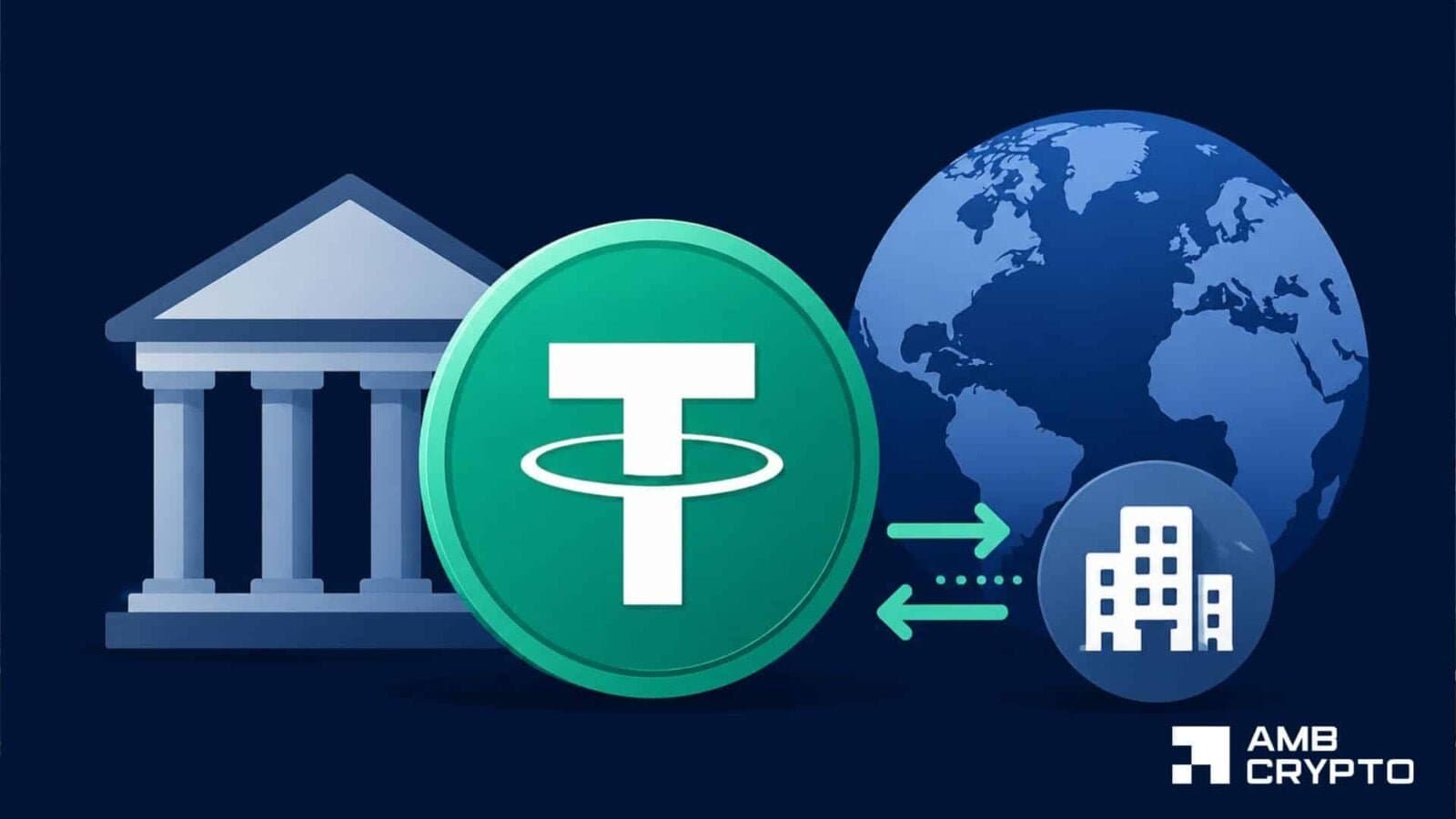
Investor interest in stablecoins is set to grow, with Tether (USDT) usage projected to hit 35.1% by July 2026, significantly higher than 29.0% in the same period of 2021. This shift underscores a preference for stability in an environment where investors are wary of risk.
Current trends indicate that the demand for stablecoins reflects not only defensive strategies but also increasing utility in global payment systems. Major payment processors like Visa, Mastercard, PayPal, and Stripe are integrating stablecoins into their operations, promoting their use for cross-border transactions and treasury management.
According to data from CryptoQuant, ERC-20 stablecoin activities have surged, with daily active addresses fluctuating between 400,000 and 700,000 since 2025. This uptick illustrates how enterprises are increasingly leveraging stablecoins to streamline their financial processes.
The overall market for stablecoins has grown to nearly $312 billion, indicating that the demand is now penetrating beyond crypto-native users. As adoption accelerates, the utility of these assets could drive further market expansion.
Despite the growing interest in stablecoins, institutional investors have not yet shifted their focus back to more volatile assets like Bitcoin (BTC) or Ethereum (ETH), suggesting a continued preference for low-risk, cost-efficient transactions. This trend could see corporations play a critical role in reinforcing blockchain’s foundational utility by focusing on real-world applications rather than speculative investments.
In summary, the increasing demand for USDT reflects its role in payment systems and the changing attitudes of investors. As corporate integration deepens, stablecoins are expected to enhance their significance in the long-term utility of blockchain technology.
This material is informational and should not be considered financial advice.