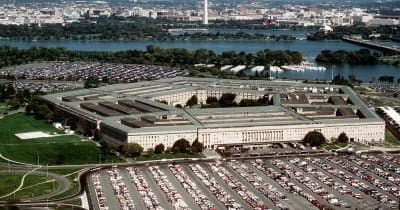
The Pentagon scrubbed 25 years of weapons testing reports from public view on July 30. The stated reason: unclassified information, when run through modern AI systems, becomes dangerously valuable.
Amy Henninger runs the Pentagon's Weapons Testing Office. She called it operational security. Foreign adversaries have the capability now to aggregate public documents, find patterns, extract secrets the U.S. never meant to hand over.
The pulled material came from DOT&E, the Director of Operational Test and Evaluation office. For decades those annual reports sat openly available to Congress, defense researchers, and anyone with internet access. Researchers could read how weapons programs actually performed.
The Pentagon framed this as acting before a breach, not after. Proactive, they said. Not reactive.
But the timing stings. The DOT&E office has shed staff in recent months. The oversight apparatus that Congress and watchdog groups use to check on military programs is thinner than it was a year ago.
Now adversaries can't peer into the data. Neither can Congress. Neither can independent analysts or the public. The visibility gap cuts both ways.
Defense contractors are suddenly opaque in a new way. Investors who once parsed DOT&E reports to check whether a weapons system actually worked lost their window. Analysts had a tool. They don't anymore.
The broader move signals a tightening around U.S. defense spending at the moment when that spending is accelerating. Less public data on program performance. Less internal oversight staff. The baseline uncertainty climbs.
This article is informational and does not constitute financial or investment advice.