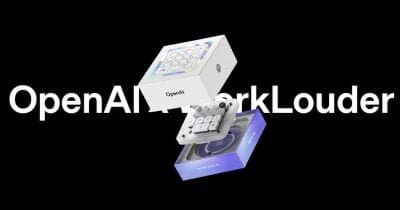
The release of the Codex Micro keypad by OpenAI signals a new era for developers working with AI coding agents. Priced at $230, this device is designed to streamline interactions with Codex, providing a physical interface for monitoring and controlling AI tasks.
Key Features of Codex Micro
Developed in collaboration with Work Louder, the Codex Micro features an array of tools including 13 mechanical keys, a joystick, a rotary dial, and a touch sensor. Unique to this keypad are six illuminated keys that indicate the status of Codex tasks, showing whether an AI agent is active, waiting for feedback, finished with a task, or has encountered an error.
Developers can customize controls through the ChatGPT desktop app, enabling them to assign shortcut keys for frequent actions like sending prompts or approving code generated by the AI. The joystick allows for the triggering of workflows, while the rotary dial provides a means to adjust the reasoning level of the AI agents.
Implications for AI Development
This launch represents OpenAI's entry into hardware products, distinct from other consumer devices currently in development with former Apple design chief Jony Ive. Expectations for these future products include innovative formats aimed at integrating ChatGPT into everyday use beyond conventional devices like smartphones and laptops.
The Codex Micro's introduction may not only enhance productivity for existing Codex users but also attract new developers interested in AI capabilities. With customizable functions and physical controls, it enhances the user experience, potentially enabling more complex interactions with AI systems.
This content is for informational purposes only, not financial advice.