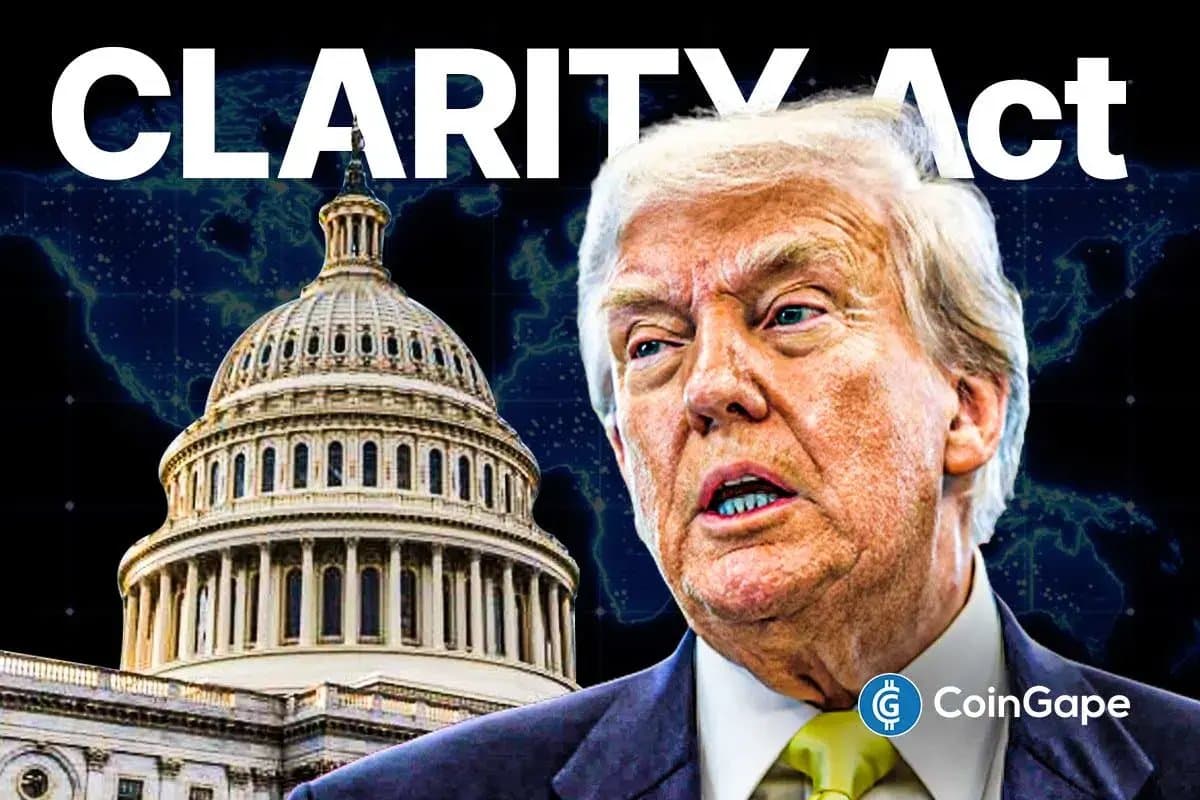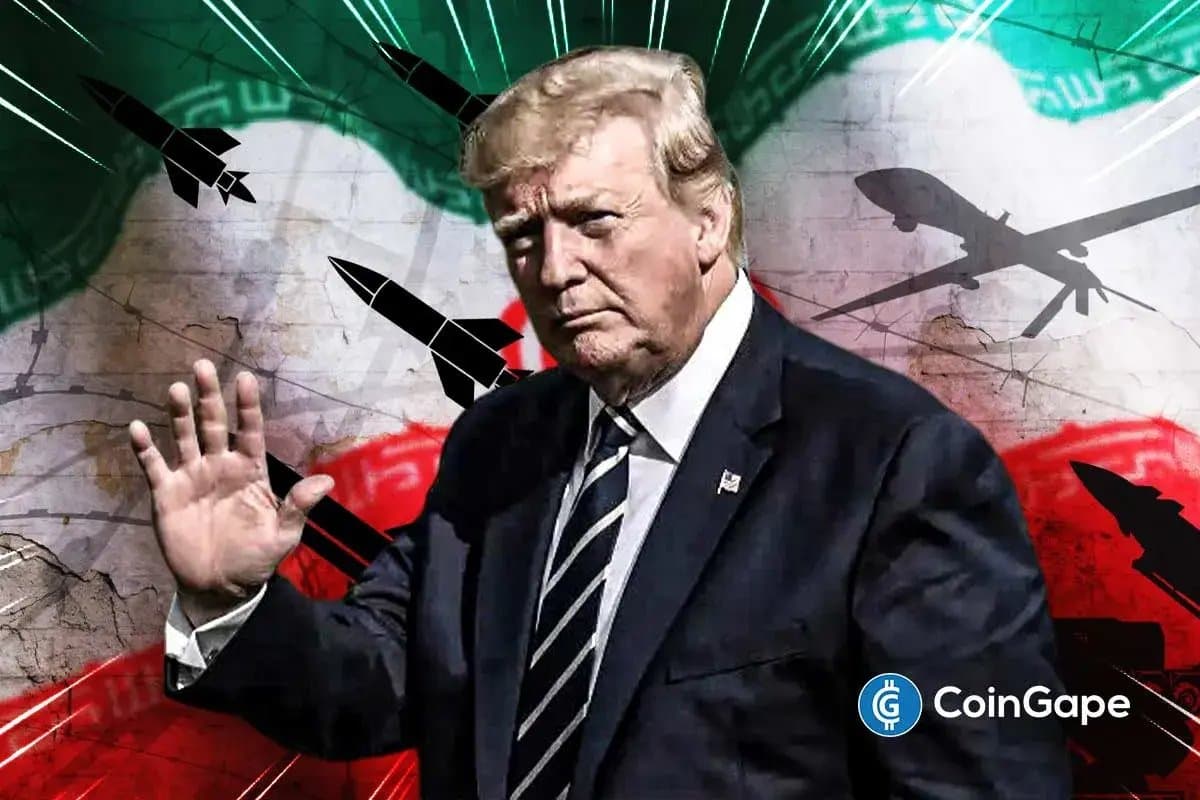
Exxon and Chevron banked over $26 billion combined in the second quarter alone. That's the kind of number that gets politicians talking, and Donald Trump wasted no time criticizing both companies for what he called excessive profiteering during the Iran conflict that sent crude prices soaring.
The math tells the story. Exxon's profits more than doubled to $14.5 billion as oil averaged around $92 per barrel in Q2. Chevron posted $12 billion in earnings, a stunning jump from $2.5 billion in the same quarter last year. When geopolitical risk pushes energy prices higher, oil majors don't just benefit, they rake in money at a pace that catches everyone's attention, from Wall Street to the White House.
The Political Calculus Behind the Criticism
Trump's comments hit at a familiar tension in American politics. Energy companies argue they invest heavily in exploration, infrastructure, and workforce costs. Yet when crude spikes due to external shocks like military tensions in the Middle East, the profit margins widen dramatically without the companies necessarily doing anything different operationally. The public sees pumps at higher prices while executives celebrate record quarters.
This kind of criticism carries real weight in election cycles. Voters already frustrated by gas prices at the pump respond to messages about corporate greed. Even politicians who typically support fossil fuel expansion can find themselves attacking oil companies if the politics demand it. Trump's positioning here suggests he's aware that populist messaging on energy profits plays well across different voter demographics.
What Happens When Oil Markets Meet Geopolitical Risk
The Iran situation illustrates a structural reality in global energy markets. Whenever tensions rise in major oil-producing regions, prices don't just tick up a few cents. They can swing hundreds of dollars per barrel as traders price in supply disruptions. Exxon and Chevron, sitting atop massive production assets, automatically capture those price gains regardless of whether they actually pump more oil or reduce costs.
This dynamic creates a peculiar feedback loop. Military escalation lifts crude prices. Oil companies report monster profits. Politicians face voter anger about energy costs and corporate earnings. The criticism intensifies. Markets then price in political risk, which can further lift crude if companies worry about future regulations or windfall taxes.
Whether Trump's comments translate into actual policy remains unclear. Windfall profit taxes on oil have been proposed before and typically face fierce lobbying resistance. But when a major political figure starts publicly attacking the industry's earnings, it signals shifting political winds that energy traders and investors watch closely.