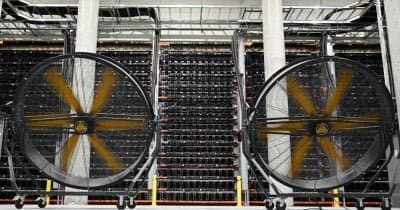
New York has enacted a one-year ban on large data centers requiring significant energy consumption, impacting crypto mining and AI infrastructure in the state. Governor Kathy Hochul's executive order, signed on July 14, prohibits permits for facilities demanding over 50 megawatts of power, an amount sufficient to support approximately 40,000 homes. This pause aims to give officials time to evaluate the effects of such operations on state resources and the environment.
Details of the Moratorium
The newly signed executive order specifically targets hyperscaler data centers, which include major players like Amazon Web Services, Google, and Microsoft, along with substantial Bitcoin mining operations. Existing projects that are already underway are expected to progress without interruption, as the moratorium is forward-looking rather than retroactive. The legislation was developed following the Responsible Data Center Development Act that recently received bipartisan support in the New York Senate and Assembly.
The Act, approved on June 4, allows for similar restrictions on facilities requiring 20 megawatts or more while pushing for the use of renewable energy sources. This legislative climate reflects growing concerns about the sustainability of energy consumption in the tech industry.
Impact on Crypto Operations
The ramifications of this ban are particularly pronounced for the crypto mining sector. As New York has emerged as a focal point for tensions between mining operations and local communities, some towns have already instituted their own restrictions, citing complaints regarding noise and environmental impacts. For example, communities like Dryden and Manlius have implemented local bans on crypto mining in response to these issues.
This is not the first instance of New York introducing limitations on crypto-related activities. In 2022, the state enacted a two-year moratorium on proof-of-work mining operations powered by fossil fuels. The current moratorium expands the restrictions to encompass AI data centers, indicating a broader push to regulate the energy-intensive tech landscape.
This material is for informational purposes only and does not constitute financial advice.