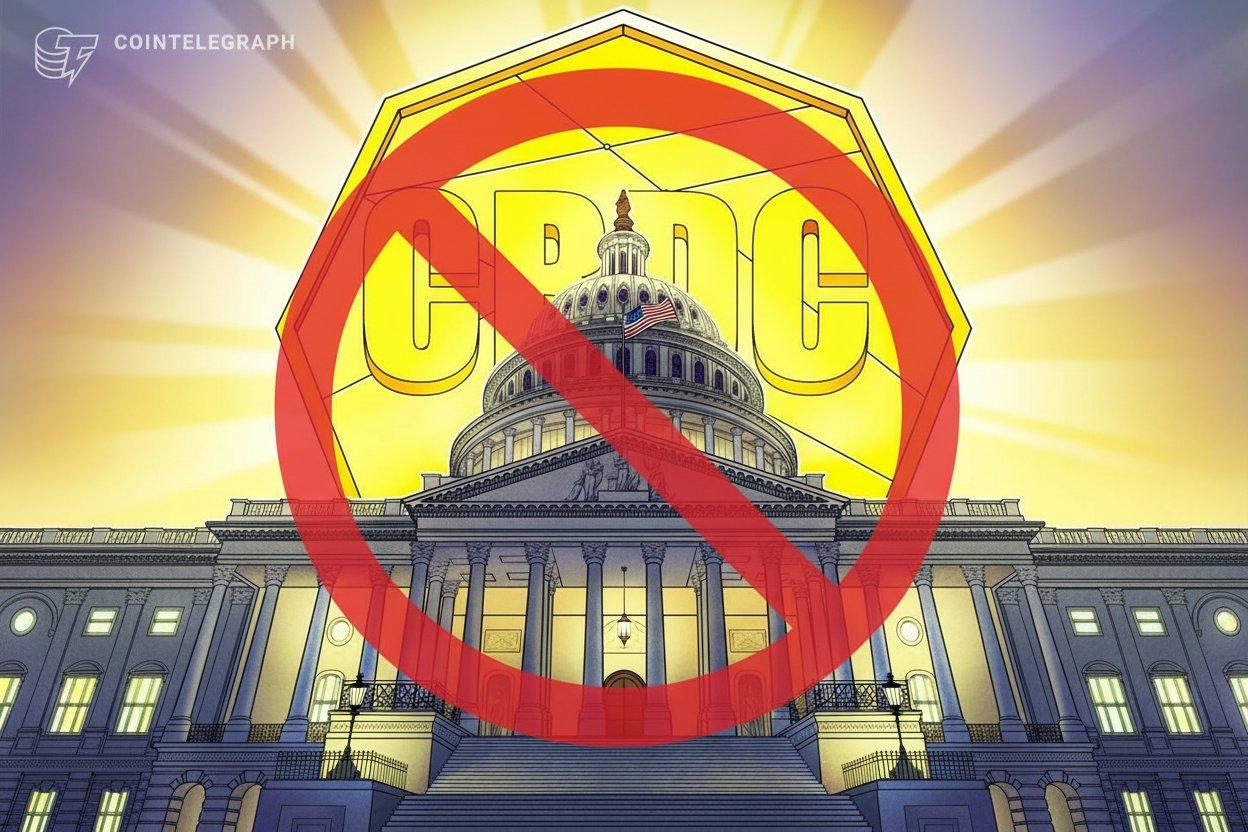
Donald Trump recently announced via social media that he will not sign the 21st Century ROAD to Housing Act. This legislation includes a prohibition on the establishment of a Central Bank Digital Currency (CBDC) in the United States, which is set to remain in effect until the year 2030. As a result, the bill is on track to become law without his endorsement this Saturday.
The decision marks a significant development in the ongoing discussions about digital currencies in the US. By preventing a CBDC from being implemented until the end of the decade, this legislation reflects a cautious approach towards government-backed digital currencies, which many argue could overhaul the current financial system.
Opponents of a US CBDC have voiced concerns over issues such as privacy, surveillance, and the potential for government overreach in personal finances. This law's passage may serve as a relief for those who worry about the implications of Central Bank Digital Currencies on civil liberties.
This move comes amidst a broader discourse regarding the future of cryptocurrency and digital assets. In light of recent developments in the financial landscape, including the rapid evolution of trading platforms and the role of traditional institutions, the implications of the CBDC ban could shape how cryptocurrencies and financial technologies evolve in the coming years.
This material is informational and not financial advice.