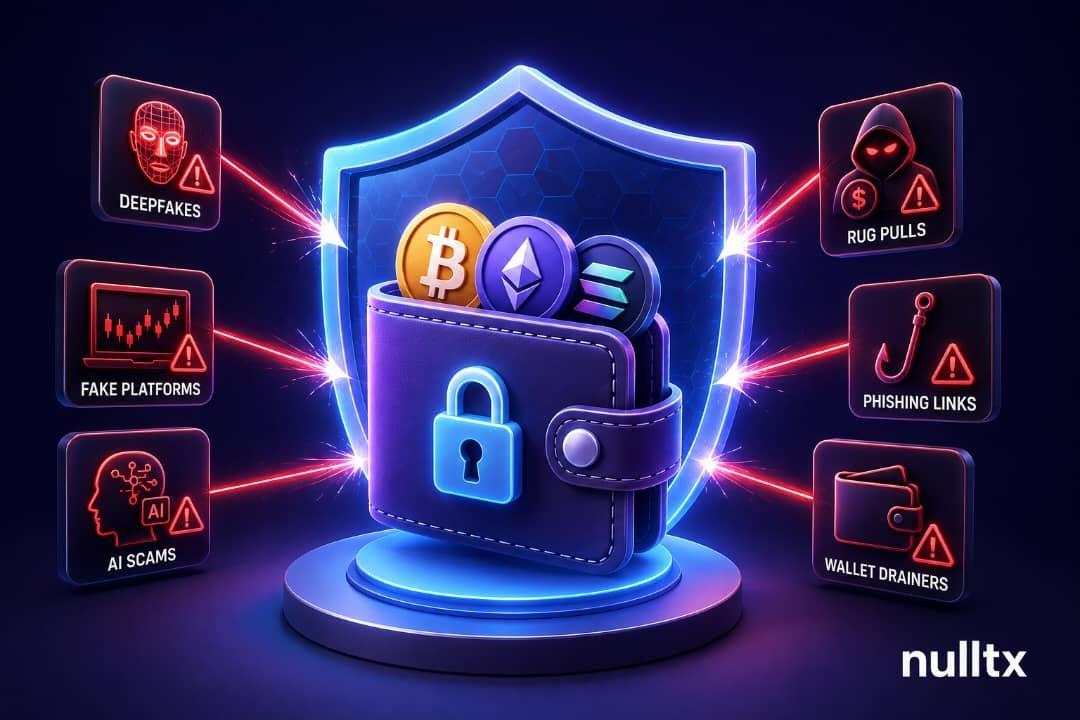
The sophistication of cryptocurrency scams is on the rise as the industry evolves, with over 500 million individuals now owning digital assets globally. Fraudsters are employing advanced tactics to exploit this growing pool of potential victims, using technology to enhance their deceptive schemes.
Recent developments in artificial intelligence have led to the creation of realistic deepfake videos, AI-generated voices, and meticulously crafted fake trading dashboards. These innovations have blurred the lines between legitimate and fraudulent operations, making it challenging even for financially savvy individuals to detect scams.
Factors Contributing to the Increase in Scams
Multiple factors are currently fueling the surge in scams within the crypto space:
- The irreversible nature of cryptocurrency transactions appeals to thieves, making it a preferred target for fraud.
- Scammers can seamlessly operate across borders, utilizing social media to identify and approach potential victims.
- Generative AI enables criminals to rapidly create convincing fake websites, celebrity endorsements, and voice simulations, amplifying the overall effectiveness of their schemes.
While these tactics have evolved, the core issue remains: the gap in trust among new users surrounding unfamiliar platforms and terminology continues to widen as more individuals seek their first investments.
Common Types of Cryptocurrency Scams
Several recurring patterns define common scams, irrespective of their evolving appearances:
- Guaranteed-return platforms: These scams feature polished dashboards reminiscent of real trading terminals, displaying fake charts and growth graphs. Scammers often allow early withdrawals to build trust before freezing funds or disappearing, leveraging the initial success to gain larger deposits.
- AI trading bot scams: These variants thrive on ambiguous terms like 'proprietary algorithm' and 'quantum arbitrage engine,' which are difficult for the average person to verify. The absence of real trading or an actual algorithm is often concealed behind jargon, making it hard for potential victims to ask probing questions.
As the cryptocurrency market becomes increasingly populated, awareness of these scams is critical. Understanding their operation and common tactics is the best defense against falling victim to such fraudulent schemes.