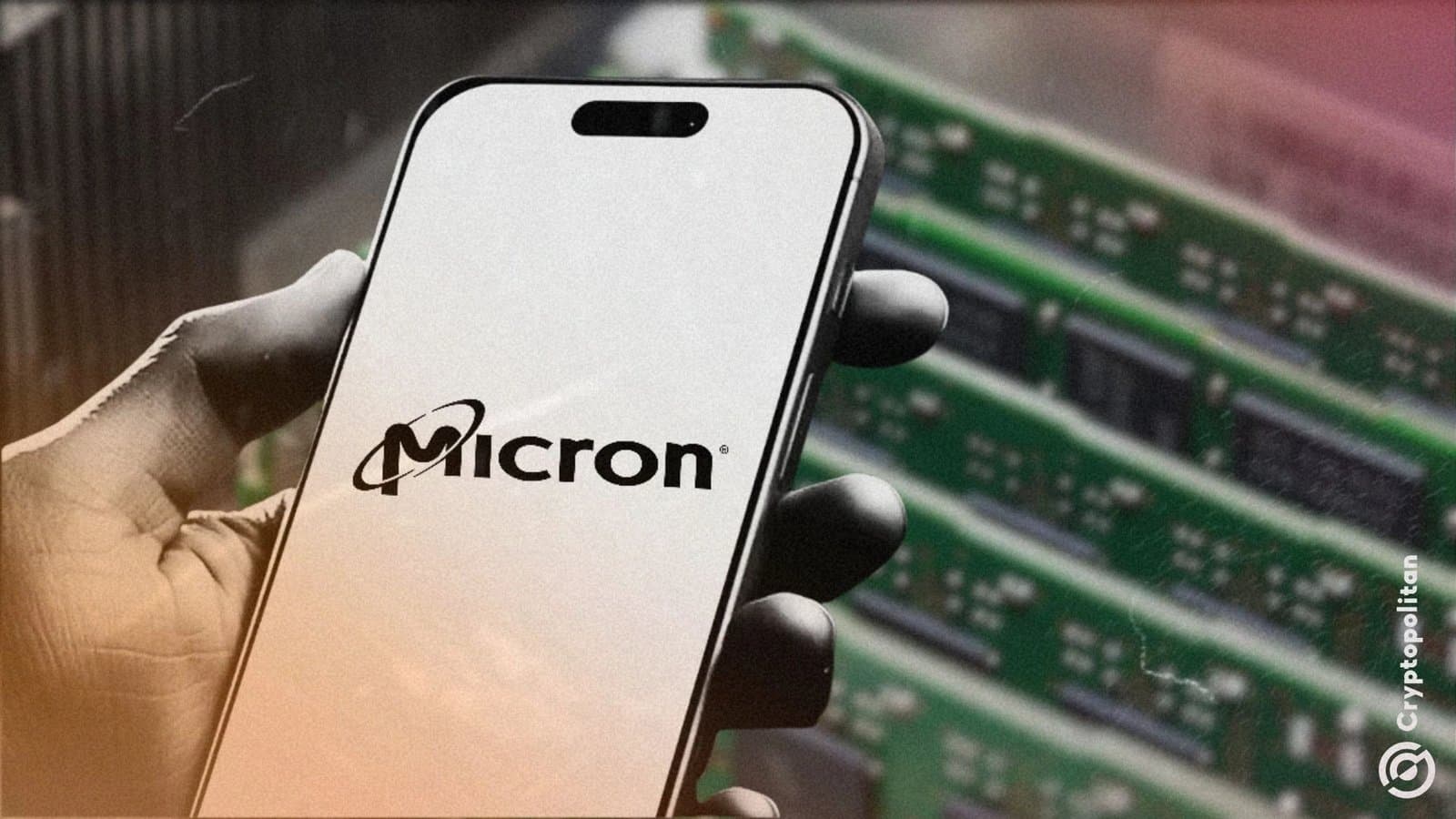
Micron Technology has announced a strategic partnership with Qualcomm and six leading automotive suppliers to secure long-term supply agreements for memory chips necessary for AI-driven vehicles. This move comes as the demand for automotive memory surges in response to the increasing sophistication of vehicles.
Under the recently established Strategic Customer Agreements, which include partnerships with Visteon, HARMAN, JOYNEXT, DENSO, Astemo, and Hyundai Mobis, Micron aims to ensure a stable supply of memory and storage capacity amid a tight market.
Changing Memory Needs in Modern Cars
The growing capabilities of modern vehicles, particularly those equipped with autonomous features, are driving unprecedented memory requirements. High-end autonomous vehicles can demand up to 70GB of DRAM, comparable to what is found in a typical laptop. For instance, the infotainment systems in Mercedes-Benz vehicles require between 4GB and 12GB, while BMW's new iX3 electric SUV has a cockpit computer that operates with 16GB to 24GB of memory.
Market Dynamics
Micron's CEO, Sanjay Mehrotra, noted that vehicles equipped with Level 2 and higher autonomy need over five times the memory of a conventional car. Projections suggest that these sophisticated vehicles will constitute over 20% of total sales by 2026 and could exceed 40% by 2030.
The agreements with automotive partners will enable Micron to forecast memory demand more accurately, thus positioning the company favorably against competitors like Samsung Electronics, which held a 40% market share in automotive memory last year.
Rising Chip Prices and Market Competition
Market research indicates that prices for SLC NAND flash memory, crucial for electronic control and driver-assistance systems, are set to surge by as much as 170% in the latter half of 2026. As competitors like SK Hynix strive for enhanced safety ratings for their automotive memory products, Micron's proactive strategy seeks to tie down long-term customers to mitigate supply chain risks and secure profitability.
This information is for educational purposes only and should not be considered financial advice.