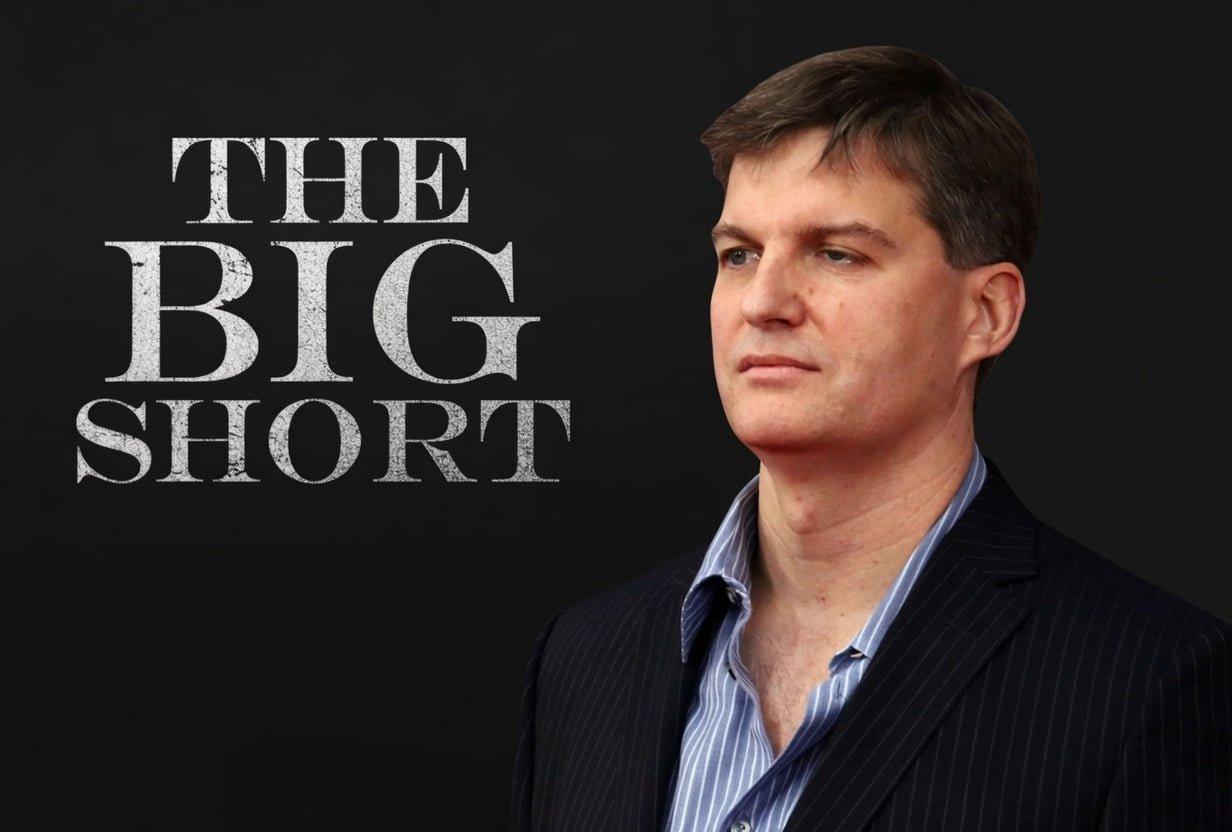
Investor Michael Burry has voiced his concerns regarding the current trajectory of artificial intelligence development, highlighting both its foundational flaws and the financial challenges faced by major tech companies involved in AI. In a recent analysis published on his Substack page, Burry introduced two pivotal concepts that challenge the way AI is built and funded, warning that these issues could hinder the industry’s growth.
Flawed Foundations in AI Development
Burry argues that the AI industry has begun on a precarious path, labeling its language-centered approach a "bad start." He presents a notion he refers to as "Ballard’s Test," which posits that true intelligence must encompass reasoning that is independent of language. According to Burry, the initial aim of AI research was to foster this genuine reasoning capability; however, the shift to language-based models occurred when that goal proved unachievable.
This transition, he claims, has led to a "parameter trap." Instead of addressing fundamental challenges, companies are merely increasing the scale of their existing flawed models, relying on an excessive demand for computational power, which he describes as requiring "zillions of power-hungry chips."
Financial Concerns for Major Tech Players
On the financial side, Burry highlights a significant disconnect between the demands of AI chip makers, particularly Nvidia, and the expectations of hyperscalers like Meta, Amazon, and Microsoft. While Nvidia seeks an uninterrupted growth in chip demand to sustain its current revenue levels, hyperscalers are looking for a reduction in expenditure over the next few years to alleviate financial burdens.
Burry expresses skepticism about the sustainability of the current market scenario. He notes that free cash flow among these major tech players is approaching zero, a stark contrast to what their reported profits might suggest, which are often obscured by extended depreciation schedules. This misalignment raises the question of whether both sides of the AI market can thrive simultaneously.
Recently, Burry has acted on his convictions by placing short bets against key companies, including Nvidia and Tesla, alongside the iShares Semiconductor ETF. His remarks challenge the prevailing optimism among AI proponents who envision a scenario where chip demand remains high while expenditure decreases, asserting instead that such optimism may be unfounded.
This article is for informational purposes only and should not be considered financial advice.