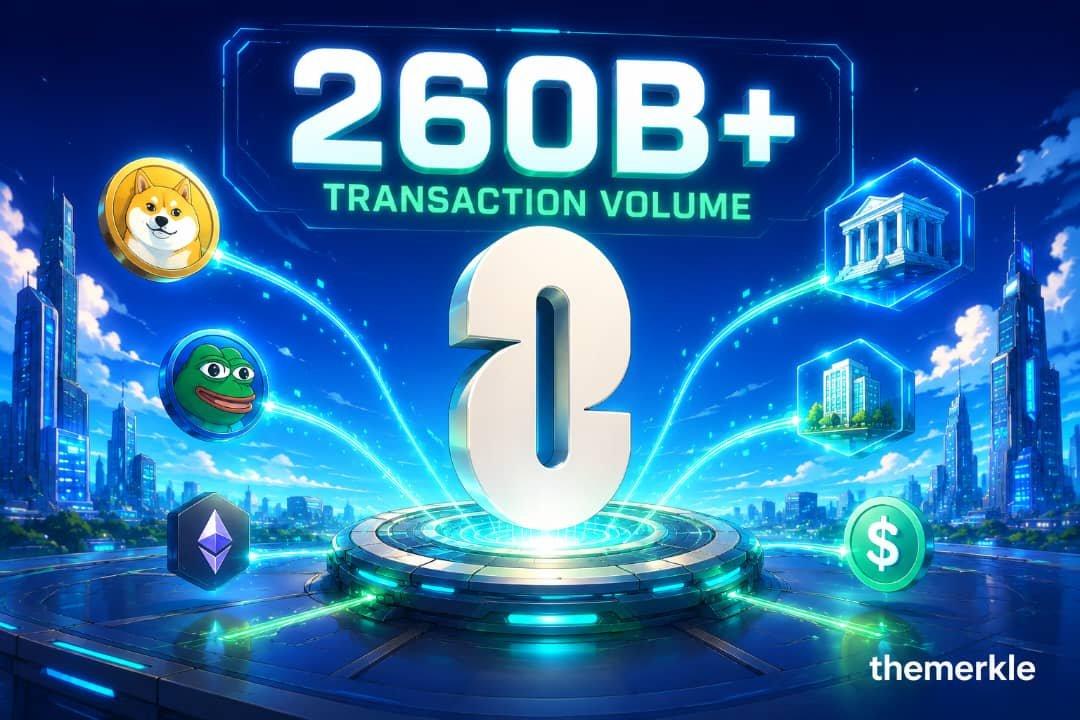
LayerZero, an omnichain interoperability protocol, has achieved a significant milestone by enabling over $260 billion in transaction volume through more than 830 omnichain fungible tokens (OFTs) deployed across 170 blockchains.
This achievement distinguishes itself from typical crypto volume reports, primarily due to the diverse range of developers utilizing the protocol. Rather than a single type of user, LayerZero serves various parties, from small teams launching viral tokens to large financial institutions embedding compliance features into their smart contracts.
Unique Features of LayerZero
The protocol's design allows for high configurability, accommodating different types of builders. This approach enables a wide spectrum of applications, demonstrating that LayerZero does not just connect various blockchains but also adapts to specific user needs.
The flexibility of LayerZero provides distinct uses for different developers:
- For small memecoin teams, it offers access to broader markets.
- For asset issuers, it serves as a trust infrastructure.
- For banks or regulated entities, it ensures compliance portability with tokens.
Implications for Memecoin Builders
Memecoin developers particularly benefit from LayerZero's capabilities, especially in rapidly evolving markets. A viral token can quickly lose momentum if it remains isolated on a single blockchain. LayerZero addresses this challenge by allowing teams to deploy OFTs across multiple chains concurrently.
By enabling simultaneous listings, memecoin projects can tap into existing user bases and liquidity in various chains without needing extensive bridge infrastructures. This approach secures a unified supply across all platforms, enhancing market presence without incurring additional risks.
Market Reception and Future Prospects
The considerable transaction volume facilitated by LayerZero signals a growing acceptance and reliance on its infrastructure. As the blockchain landscape continues to fragment, LayerZero is positioned to play a crucial role in connecting disparate systems and promoting interoperability.