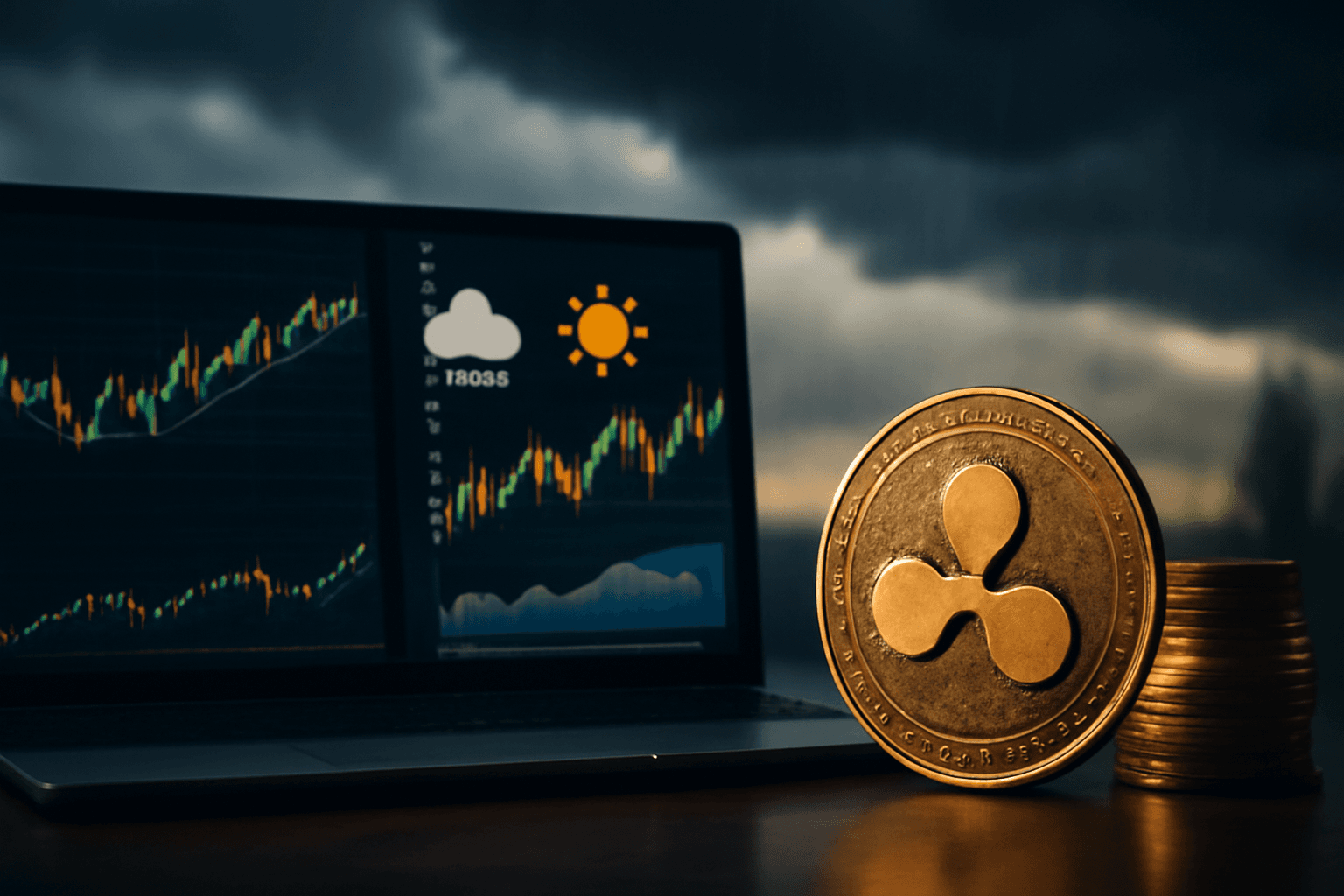
South Korea's Kweather has partnered with blockchain network Flare to launch a pilot project aimed at integrating real-time meteorological data onto the blockchain. The Letter of Intent, signed by both parties, marks a significant step towards developing innovative weather finance products.
Project Overview
The collaboration will see Kweather providing essential climate data, including temperature and rainfall, which will be processed through Flare's Time Series Oracle. This system is designed to deliver reliable, high-frequency data for smart contracts, ensuring that the information remains secure and independently verifiable.
Both companies are focusing on creating new financial instruments related to weather, such as parametric climate insurance. This type of insurance will automatically execute payouts when specified environmental conditions, like drought or excessive rainfall, are met. This approach aims to streamline insurance processes by eliminating the need for traditional claims assessments.
Future Developments
The initiative also aims to explore weather derivatives that could benefit sectors such as agriculture, energy, and logistics, which are particularly vulnerable to climate fluctuations. Kweather's physical meteorological capabilities will be combined with blockchain technology to establish a decentralized physical infrastructure network (DePIN). This could allow for the tokenization of Kweather's data-driven revenue, turning it into real-world assets for broader market participation.
As the project evolves, there are plans to potentially integrate these advancements with the XRP ecosystem, enhancing the financial viability of weather-related products. Flare's CEO, Hugo Philion, emphasized the alignment between Kweather's offerings and Flare's data-driven blockchain goals, aiming to expedite the development of weather-based financial markets.
In a related context, the ongoing growth of the financial technology landscape highlights the relevance of innovative product offerings in response to climate risks and market demands.
This material is informational and not financial advice.