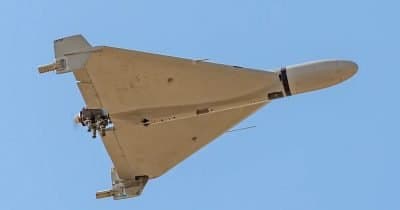
Kuwait's military has intercepted several Iranian drones amid escalating conflicts in the Gulf region. This comes as Iran intensifies aerial attacks targeting U.S. military facilities and critical infrastructure within Kuwait. The recent drone interceptions shows a sharp rise in tensions following U.S. strikes on Iran and a blockade impacting Iranian oil exports.
Escalation of Military Actions
The interceptions mark a notable increase in hostilities between Gulf states and Iran. Market analysts have adjusted the probability of Iran initiating further military operations against Gulf countries to 63% for July 22, up from 56% the day before. This reflects growing concerns over potential retaliatory measures and broader regional instability.
Iran's campaign of retaliation includes drone and missile strikes targeting U.S. assets and infrastructure, heightening the risk of expanded conflict. The situation remains volatile as diplomatic efforts have yet to ease the confrontations.
Key Dates and Market Implications
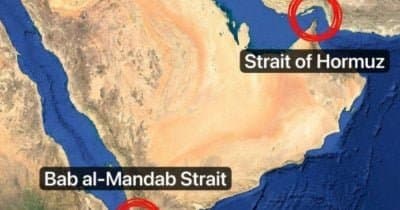
Observers are closely watching July 21 and 22 for possible significant military developments. Increased drone activity and missile attacks during this period could further impact regional security and global markets. Control over strategic points such as the Strait of Hormuz remains a critical factor in the ongoing escalation.
Given the complex dynamics, monitoring further Iranian military moves against Gulf targets is essential for understanding the evolving security environment.
This material is for informational purposes and does not constitute financial advice.