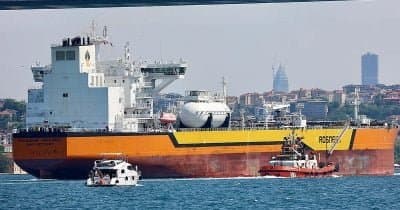
The Italian navy intercepted a Russian oil tanker in international waters close to Pantelleria, an island between Sicily and Tunisia, on August 2, 2026. This mission was supported by Greek and Polish forces, showcasing a rare, coordinated effort targeting suspected sanctions evasion by Russia.
Pantelleria lies on key Mediterranean shipping lanes connecting Europe and North Africa. The Italian action was part of a broader EU naval campaign known as Operation Irini, initially launched to enforce the UN arms embargo on Libya but increasingly focused on disrupting illicit Russian oil shipments.
Most enforcement against Russia’s shadow fleet has taken place in northern waters like the Atlantic or Baltic Sea, making this Mediterranean interdiction unusual. It suggests Russian operators are experimenting with new smuggling routes to bypass sanctions.
The tanker’s name, cargo details, and the boarding's results remain undisclosed. Since sanctions hit Russia after the Ukraine invasion, Moscow has developed a complex shadow fleet of older tankers re-registered under obscure flags and routed through convoluted paths to obscure crude sources.
Greek involvement is notable, given the country's vast commercial shipping presence and its balancing act between EU policies and maritime interests.
The crackdown comes amid broader efforts to clamp down on illicit commodity flows that ripple into crypto markets, affecting asset valuations and regulatory scrutiny.
Crypto regulations face hurdles in the U.S. while the EU intensifies maritime controls on Russian energy shipments.
This content is for informational purposes and not financial advice.