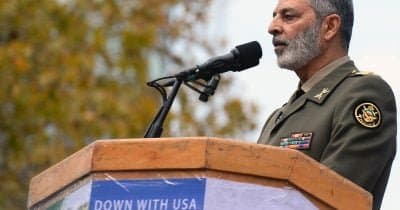
An Iranian military advisor has indicated that the conflict involving the United States and Israel is set to become prolonged and costly. This assertion comes amid the ongoing war in Iran, which intensified following joint U.S.-Israeli airstrikes that led to the assassination of significant Iranian leaders, including Supreme Leader Ali Khamenei. The current situation reflects a fragile ceasefire, yet tensions are escalating as Iran enhances its military capabilities and prepares for asymmetric warfare through its regional allies.
Strategic Implications of Iran's Position
The advisor's comments suggest a calculated effort by Iran to broaden the conflict's scope, which could lead to further destabilization in the region. The shifting dynamics indicate a potential decrease in the likelihood of a U.S.-Iran deal in 2026. Current market analytics show a notable 25% probability that reconstruction funding for Iran will be part of any future agreement, reflecting diminished confidence among investors regarding a peaceful resolution.
Market Reactions and Future Considerations
The ongoing military escalation and Iran's strategic maneuvers may influence market sentiments, highlighting increased geopolitical risks. Developments in the Iran war, including any escalations or fresh ceasefire negotiations, have the potential to modify market perspectives on a possible U.S.-Iran agreement. Observations of military actions from either Israel or the U.S. could further diminish agreement prospects, while diplomatic initiatives by Qatar and Pakistan might shift current trends. Keeping an eye on statements from influential figures like Iranian Foreign Minister Javad Zarif and U.S. negotiators will be vital for understanding future market movements.
This material is informational and should not be considered financial advice.