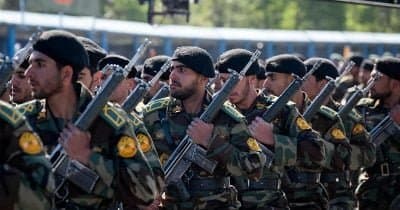
The Iranian Revolutionary Guards, led by aerospace commander Majid Mousavi, have confirmed their commitment to continue military strikes until stability is restored in southern Iran. This declaration aligns with the ongoing conflict between Iran and the United States, which has seen a series of Iranian attacks on U.S. military installations in the Middle East. The escalation follows U.S. airstrikes in southern Iran and the strategic blockade of the Strait of Hormuz by Iranian forces.
Military Operations and Strategic Impact
The IRGC's decision to persist with military operations shows Tehran's hardline stance amidst rising tensions and a lack of ceasefire agreements. Analysts note that this aggressive approach reflects a broader war strategy aimed at demonstrating military capability rather than seeking diplomatic resolutions. Recent market activities suggest a slight decrease in the perceived probability of the Iranian regime collapsing by the end of 2026, indicating a complex interplay between military actions and market confidence.
Market Reactions and Future Observations
The market's response to the IRGC's ongoing strikes shows a cautious optimism regarding regime stability. Despite the potential for further instability, there remains a low expectation for significant regime change in the near future. Observers are advised to keep an eye on any changes in military tactics from both the U.S. and Iran, as these developments could impact regional stability perceptions. Key indicators to watch include potential defections within the IRGC and any significant escalations in military confrontations. The situation remains dynamic, with several geopolitical factors influencing market behavior.
This content is informational and does not constitute financial advice.