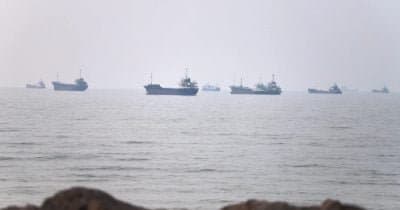
Iranian authorities have stepped up military actions against vessels in the Strait of Hormuz, citing violations of national restrictions. This latest development coincides with the 2026 crisis surrounding Iran, triggered by the assassination of Supreme Leader Ali Khamenei. The Strait of Hormuz, a crucial maritime channel for global oil trade, is effectively under Iran's control as the region faces increasing military tensions.
According to reports from Tasnim, Iranian forces are actively enforcing maritime restrictions, resulting in an estimated 1,600 vessels being trapped in the region. This escalation escalates the situation from mere diplomatic threats to outright military confrontations, complicating the already strained supply chains of global oil markets.
Implications for Maritime Traffic
Analysts observe that the likelihood of traffic normalization in the Strait has significantly decreased. Current market pricing reflects growing concerns about the situation, with the chances of a positive resolution dropping from 28% to 15.5% in just a week. The ongoing dual blockade has led to heightened tensions, which may impede any immediate resolution attempts.
Monitoring Future Developments
The atmosphere in the Strait of Hormuz remains precarious, with considerable geopolitical ramifications. Stakeholders are encouraged to keep an eye on future announcements from both Iranian and U.S. officials that might indicate a potential shift towards de-escalation. Important indicators include speeches by Iranian leadership regarding policy adjustments, as well as any changes reflected on live vessel tracking systems.
Additionally, updates related to ceasefire negotiations between the U.S. and Iran can offer crucial insights into possible outcomes. The situation continues to evolve, requiring keen observation from geopolitical analysts and market participants alike.
This article is for informational purposes only and does not constitute financial advice.