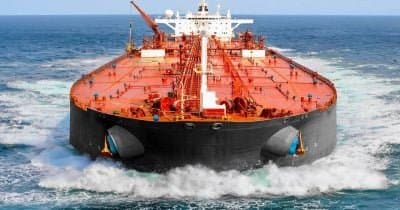
Iran successfully exported approximately $6 billion worth of oil to China during a temporary ceasefire, circumventing US sanctions through a combination of clandestine shipping methods and cryptocurrency transactions. This activity resumed after the brief lull in enforcement, highlighting Tehran's adaptive tactics against ongoing naval blockades.
Shadow Fleet and Teapot Refineries
China remains the dominant buyer of Iranian oil, accounting for nearly 90% of its exports. The crude primarily reaches independent Chinese "teapot" refineries, smaller-scale operations that purchase discounted oil despite sanctions. Iran employs a shadow fleet of tankers that perform ship-to-ship transfers in international waters, effectively concealing the oil’s origin and complicating efforts to track shipments.
Alongside these physical logistics, Iranian entities have leveraged cryptocurrency to sustain oil revenue streams. Over the past year, crypto trading connected to Iran reportedly reached $7.8 billion. These digital assets facilitate payments for maritime fees and direct oil transactions, operating below the radar of traditional financial controls.
The US government has responded by sanctioning crypto platforms such as Zedcex and Zedxion for alleged ties to Iran’s Islamic Revolutionary Guard Corps. Nobitex, another exchange linked to Iranian crypto dealings, has also drawn scrutiny. This signals increased regulatory focus on crypto as a vector for sanctions evasion.
The Strait of Hormuz, a critical maritime corridor responsible for about 20% of global oil transport, remains a geopolitical hotspot where cryptocurrency markets often react swiftly to unfolding events. The scale of crypto activity linked to Iran raises questions about enforcement limits and the evolving role of digital assets in geopolitical conflicts.
This article is for informational purposes and does not constitute financial advice.