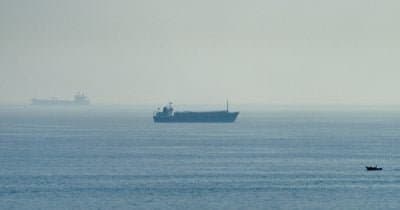
One-fifth of the planet's oil passes through the Strait of Hormuz every day. The waterway is so cramped you could practically shout across it from one shore to the other. Right now, Iran and Oman are hammering out who controls it and how ships will pay for passage.
Tehran and Muscat have nearly locked down a deal that would split the strait into two shipping lanes. Iran gets the northern inbound route, Oman handles the southern outbound one. Both sides have already agreed on the exact coordinates. This is a major restructuring, nothing like the system that's been running since before Iran's 1979 revolution.
The framework isn't just about drawing lines on a map. Iran is essentially claiming formal supervision over incoming commercial traffic at one of the world's most strategically vital chokepoints. That means revenue. Under the terms being negotiated, Tehran and Muscat would split service fees for security and environmental management.
Here's where crypto enters the picture. Back in April 2026, Iran formally proposed collecting tolls in cryptocurrency, pegging rates at roughly $1 per barrel. Iranian entities have already run test collections using Bitcoin and stablecoins. If the Iran-Oman agreement locks this in, you're looking at a sovereign nation using crypto as the actual settlement layer for one of the planet's most strategically sensitive trade corridors.
That's not accidental. Iran has lived under waves of US and EU sanctions for years. Cryptocurrency offers a workaround, a way to move value outside traditional banking channels. The tolls would bypass SWIFT, credit card networks, and the dollar-based financial infrastructure that Washington controls.
The broader context matters. These bilateral negotiations sit alongside ongoing US-Iran discussions about port access and blockade conditions. President Trump has signaled optimism about an interim reopening announcement, with early August floated as a possible date. Officials have been careful to frame the Iran-Oman deal as separate from any direct US negotiation, though the timing suggests otherwise.
Negotiations have been running for over three weeks. The agreement itself doesn't automatically reopen the strait to all traffic, but it's a structural foundation. If formalized, it would hand Iran a direct revenue stream from one of the world's most critical oil passages and establish a precedent for cryptocurrency settlement in geopolitical trade infrastructure.
This article is for informational purposes only and should not be construed as financial or investment advice. Crypto market dynamics and geopolitical developments carry significant risks.