Fatih Birol, Executive Director of the International Energy Agency (IEA), has warned that the ongoing crisis in the Strait of Hormuz poses a serious risk to global energy security. He highlighted the urgency of reopening this crucial oil passage within weeks to avert further disruptions in global oil supply.
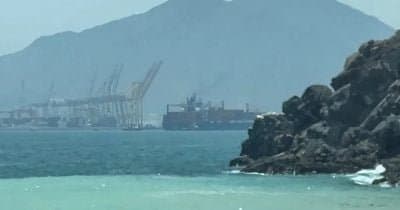
This warning comes amid escalating tensions between the U.S. and Iran, which have already resulted in a reduction of approximately 12.8 million barrels per day in global oil supply. The Strait of Hormuz is a vital channel through which around 20% of the world's oil is transported, making its security critical for energy markets.
Market Impact and Oil Prices
The geopolitical situation has led to increased volatility in the oil market. Current conditions suggest a heightened probability of rising WTI crude oil prices, as market participants adjust their expectations based on the ongoing crisis. Following a Memorandum of Understanding between the U.S. and Iran on June 17, which aimed to reopen the strait and lift the U.S. naval blockade by July 19, shipping traffic in the area remains unpredictable.
Market pricing reflects these uncertainties, indicating a potential for significant disruptions to oil supply. Recent market activities show notable movements in prediction markets related to WTI crude oil futures, emphasizing an increasing concern over the ongoing geopolitical risks.
Future Considerations
Observers are advised to monitor future announcements from both the U.S. and Iranian governments regarding the status of the Strait of Hormuz. A confirmation of the strait's reopening could lead to a reassessment of oil price expectations. Additionally, potential changes in OPEC+ production strategies or further developments in regional geopolitics could have substantial impacts on market dynamics.
The approaching peak summer demand season adds further urgency to resolving the situation, as global energy needs are expected to rise. Investors and analysts alike are watching closely for any signs of stabilization in the region.
This material is for informational purposes only and should not be considered financial advice.