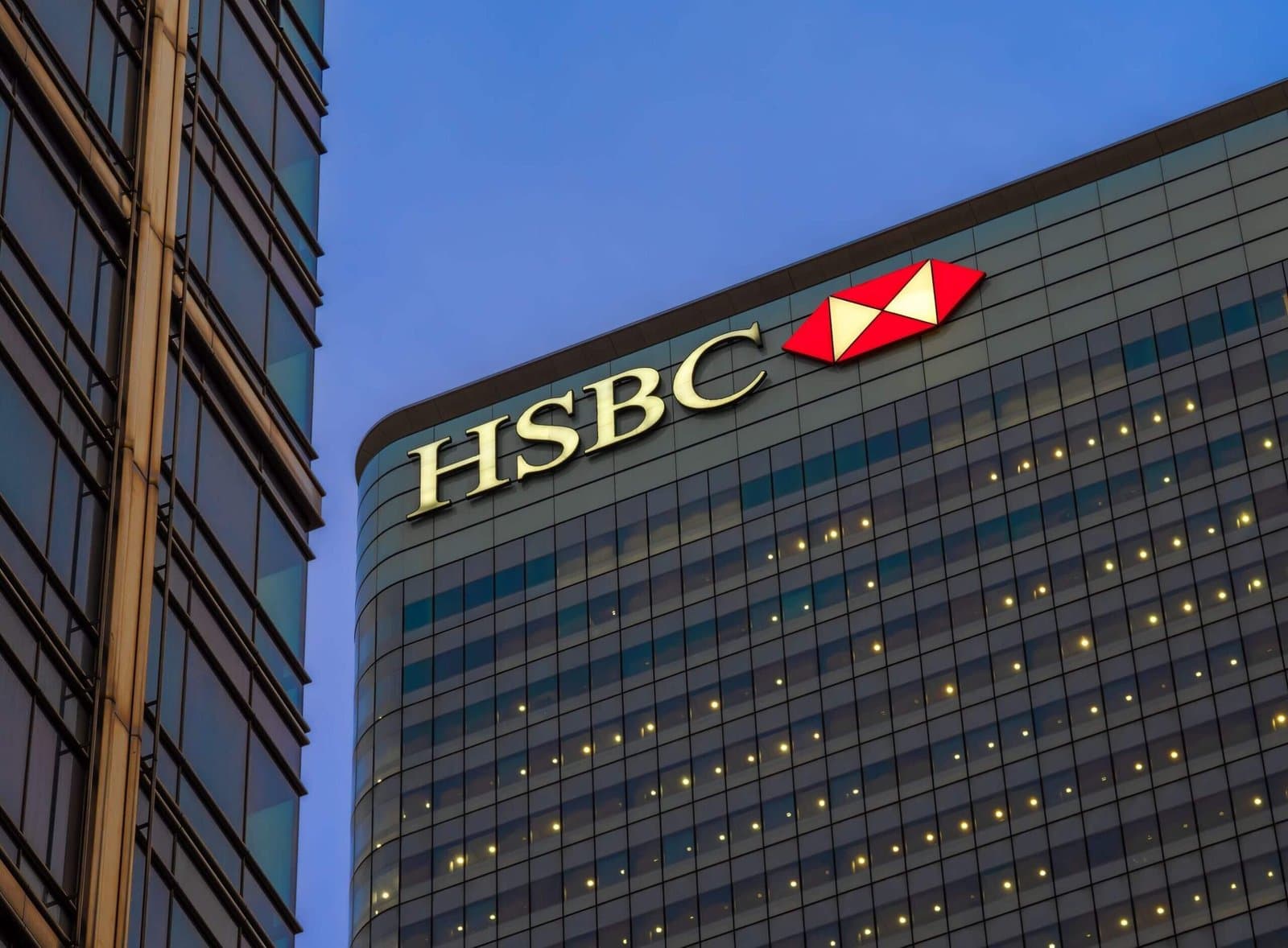
HSBC Holdings may soon lower its minimum trading lot size for shares in Hong Kong, potentially decreasing the investment threshold for retail traders. This move aligns with the Hong Kong Stock Exchange's board lot reforms, which aim to modernize market operations and encourage broader participation.
Proposed Changes and Their Impact
Currently, HSBC shares are traded in blocks of 400, which at a price of approximately HK$153.80 translates to a minimum investment of HK$61,520. Should the exchange's proposed framework be adopted, lot sizes of either 50 or 100 shares would significantly lower the entry barrier. For instance, a 100-share lot would require about HK$15,380, while a 50-share lot would bring the minimum down to approximately HK$7,690. This represents a substantial decrease of up to 87.5% compared to the existing trading size.
Liquidity and Market Dynamics
The objective of adjusting the minimum lot size primarily focuses on improving market accessibility rather than altering the valuation of HSBC. Typically, institutional investors execute trades in much larger volumes, while retail investors depend on standardized lot sizes. A reduction in the lot size could lead to increased participation from individual investors, as the upfront costs would be more manageable.
Daily trading volume for HSBC exceeds 16 million shares, and with smaller lot sizes, this volume could translate into a greater number of individual orders. This shift may enhance the ability for buyers and sellers to complete transactions, potentially leading to tighter bid-ask spreads and more efficient trading overall.
Considerations for Investors
While the proposed reforms could enhance liquidity by attracting more retail investors, analysts caution that this does not necessarily translate to a boost in demand for HSBC shares. Lower barriers to entry may facilitate greater participation, yet they do not fundamentally alter the company's profitability or earnings outlook. Concerns remain regarding HSBC's exposure to property loans, which may pose a more significant long-term risk to earnings than the reforms themselves.
This article is for informational purposes only and should not be considered financial advice.