How Trump Built a $1.4B Crypto Fortune in 2025 — And Why It Raises Serious Concerns
Donald Trump's crypto ventures generated over $1.4 billion in 2025, surpassing traditional business income and raising serious conflict-of-interest concerns as the administration advances major digital asset legislation.
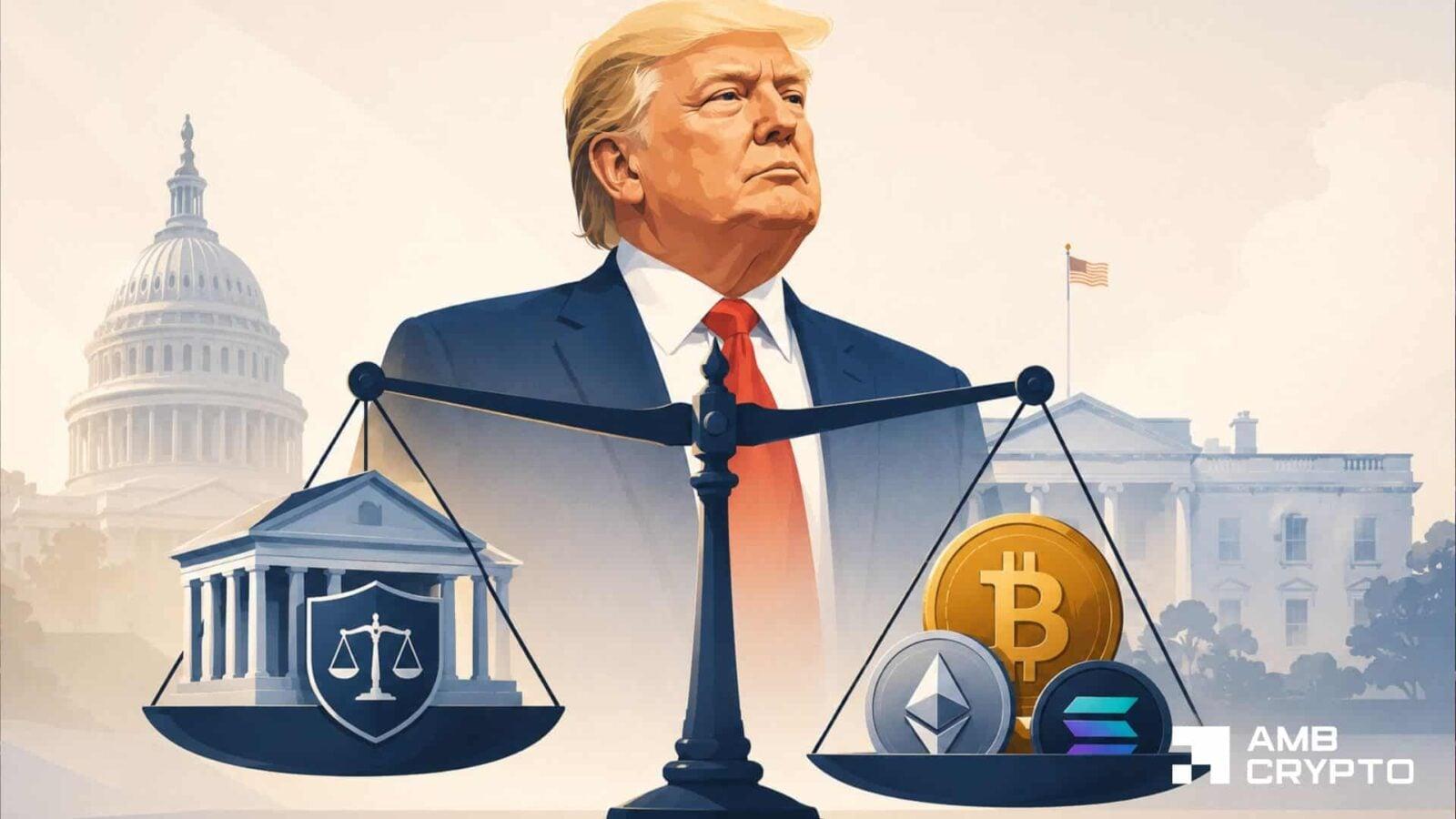
Donald Trump's most recent financial disclosure reveals a dramatic transformation in the nature of his business holdings. For the first time, cryptocurrency ventures have surpassed traditional commercial activities to become the primary source of income for the Trump financial empire, generating over $1.4 billion in reported revenue throughout 2025.
The breakdown of that figure tells a compelling story. World Liberty Financial, the family-backed token project known as WLFI, contributed roughly $600 million through token sales alone. Meanwhile, the Official TRUMP memecoin — despite a steep decline from its all-time high of $74.24 down to a low of $1.67 — still managed to bring in approximately $636 million. Additional equity-related transactions rounded out the total, underscoring that these earnings were not simply a product of rising token prices.
What makes these numbers particularly significant is the structure behind them. Trump's digital asset income flows primarily through licensing agreements, equity deals, and token issuance rather than passive appreciation of holdings. This means the revenue model is largely independent of market volatility — a notable distinction when compared to typical retail crypto investment strategies.
The scale of these earnings has drawn intense scrutiny from lawmakers and ethics watchdogs, especially given that the Trump administration has simultaneously pursued sweeping regulatory changes in the crypto space. Two landmark pieces of legislation — the GENIUS Act and the CLARITY Act — were advanced under Trump's watch, both aimed at establishing clearer frameworks for stablecoins and broadening the regulatory structure around digital assets. Critics argue that the president's direct financial stake in the very industry he is helping to regulate represents a fundamental conflict of interest.
That tension deepened further when reports emerged that Trump was using the CLARITY Act as a bargaining chip in broader Congressional negotiations, reportedly stalling its passage around the July 4th deadline amid disputes over housing legislation. The incident reinforced concerns that crypto policy decisions may be entangled with personal commercial interests at the highest level of government.
In response to growing public pressure, several lawmakers have introduced proposals to tighten ethics disclosure requirements and impose stricter oversight on executive branch officials with significant digital asset holdings. These measures, if passed, would mark a significant shift in how financial conflicts are managed in the context of emerging technology regulation.
On the regulatory enforcement side, data from Cornerstone Research paints a striking picture. SEC enforcement actions related to cryptocurrencies dropped by approximately 60 percent in 2025, while CFTC actions against virtual currency violations fell to near zero. Regulators appear to have redirected their focus toward building new frameworks rather than pursuing existing violations — a pivot that critics say benefits projects closely associated with the current administration.
Despite the political noise, financial markets have largely continued operating on traditional fundamentals. Investors remain more attentive to interest rate movements, ETF inflows, and macroeconomic indicators than to the ethics debates unfolding in Washington. That said, analysts warn that sustained regulatory uncertainty or landmark ethics rulings could eventually alter institutional behavior and reshape the broader landscape of crypto oversight.
What began as a business story has evolved into a defining policy question: can an administration simultaneously profit from and regulate the same emerging industry without compromising public trust? As ethics scrutiny continues to mount, the answer to that question may well determine the future direction of U.S. digital asset governance.